

News
Black Memory Scholar: The Language of Storytellers
Our next pop-up exhibition is on view in the Reading Room gallery from April 28 to July 10, 2026. Jada Simone Haynes describes the very personal process of curating the show.
Choosing a Pattern and Gathering Materials
In 2010, I was assigned to write a book report for my fifth-grade class. At the time, I was already a seasoned library visitor after consuming book after book I brought home from the bookstore. For this project, however, my mother offered her well-worn copy of Marked By Fire, a novel by my father’s aunt, Joyce Carol Thomas. At eleven, I thought the mature themes and fiery turns of my great aunt’s storytelling were a fantasy. I realized she was telling her story through the life of her protagonist Abyssinia. Sixteen years later, I can still remember it so clearly. I felt the strongest urge to do the same.
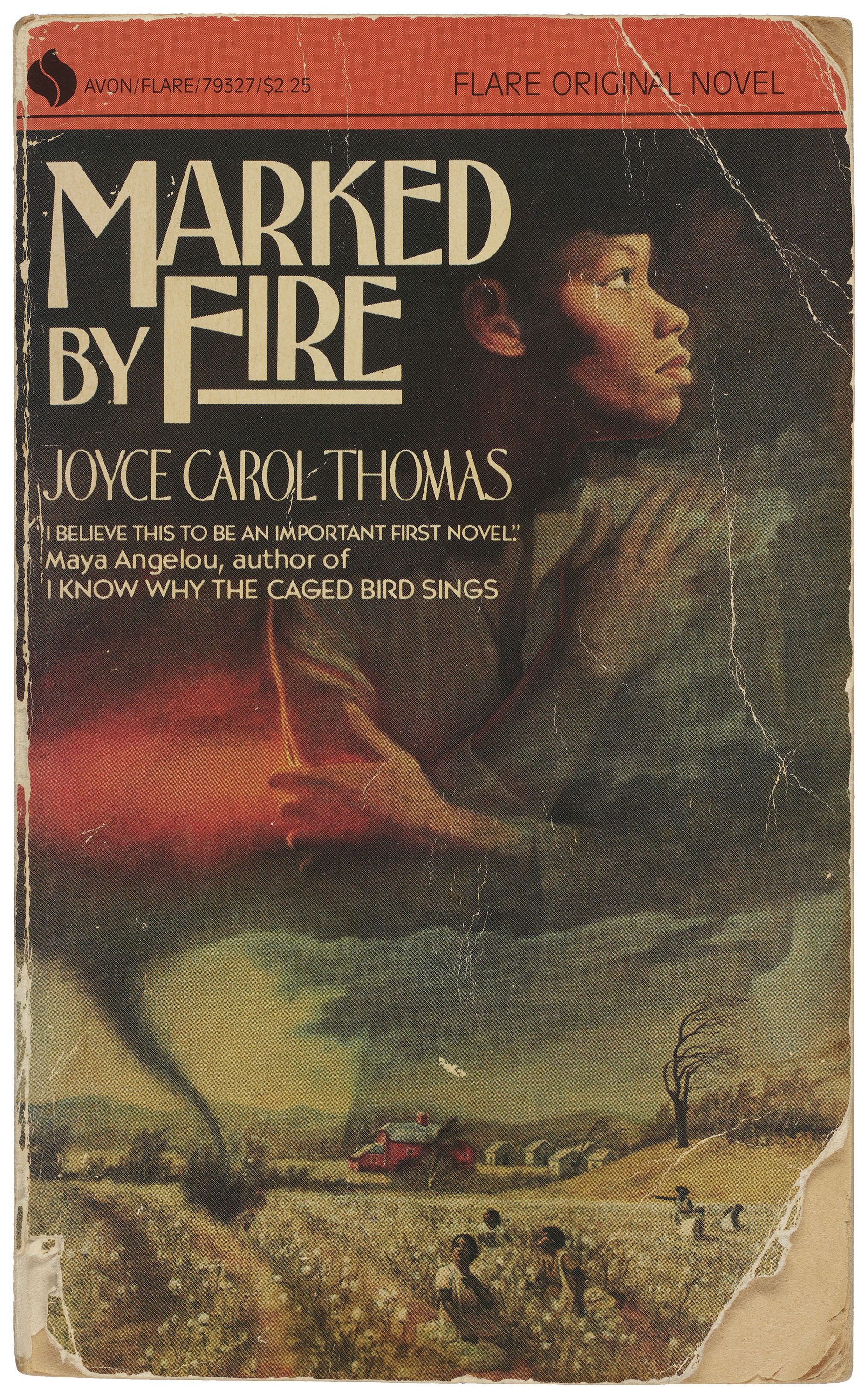
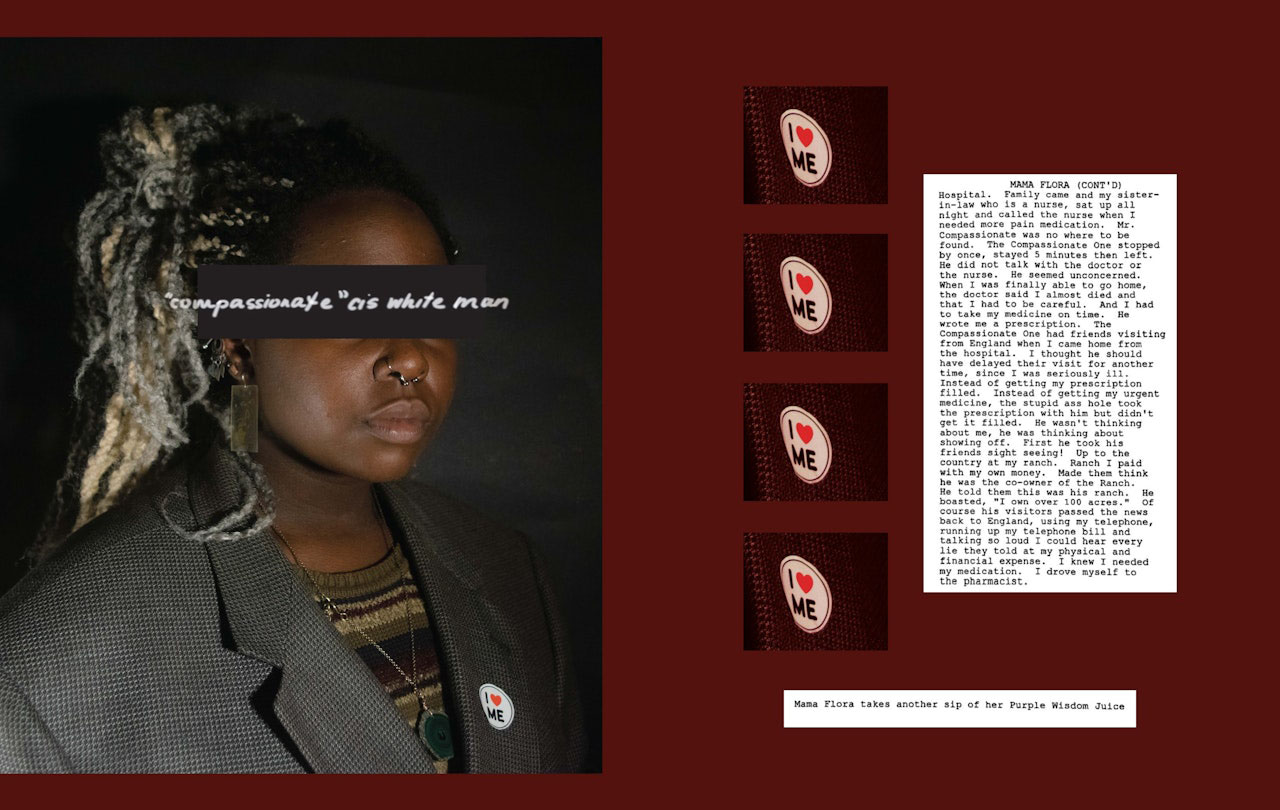
Soon after, I began writing my own stories. I reimagined worlds with Black main characters that looked like me. I was dedicated to becoming a writer until I found that I couldn’t express ideas as deeply as the books I loved. So I turned to visual art—mostly painting, building things, and making short films with my twin brother using the family VHS camera. I believe this early work became the foundation of my art practice today. It wasn’t until my final two years at UC Davis that I returned to my connection with my late great aunt through an advanced research photography course. My other great aunt, Dr. Flora Krasnovsky, gave me access to the family archives. I focused on a letter detailing my ancestor, Birdtee Cornell’s, migration from Oklahoma west to my hometown Tracy, California. Birdtee is the maker of a quilt top that is the centerpiece of Black Memory Scholar. The one-woman play, reimagined in Mad Black Woman, is just one project born of this renewed family connection. Before I ever entered an archive, memory work was always waiting just out of sight.
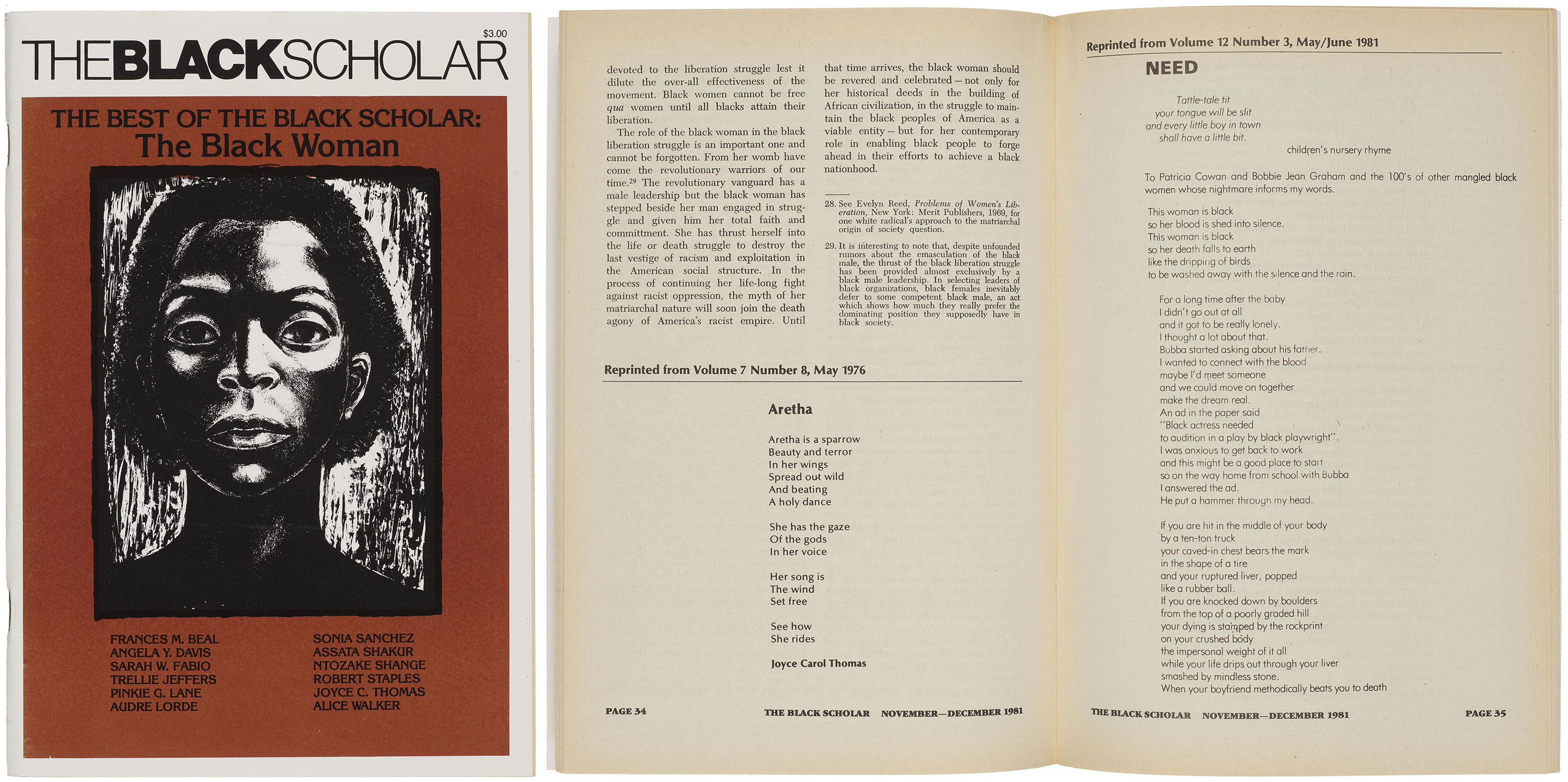
In late 2025, my great aunt Flora introduced me to performing artist, educator, director, and composer Omari Tau, as he began a sabbatical project about Joyce. I got to use my exhibition skills to assist with a display of her works at the Tracy Historical Museum. At around that same time, while pulling for a Letterform Archive research visit, I stumbled upon one of her poems in an issue of The Black Scholar next to literary giants like Audre Lorde and Alice Walker. This made me want to take a deeper dive into the Archive’s collection to find her and—honestly—myself. I couldn’t ignore that I was also seeing the collapse of support in Black scholarship and the decentering and exclusion of diverse perspectives in real time. I realized in the four years I’ve been in this field and at Letterform Archive, there was proof to celebrate just the opposite.
These signs made me feel eleven again and confirmed that it was the time to tell a story.
Iron, Measure, and Cut Your Fabric
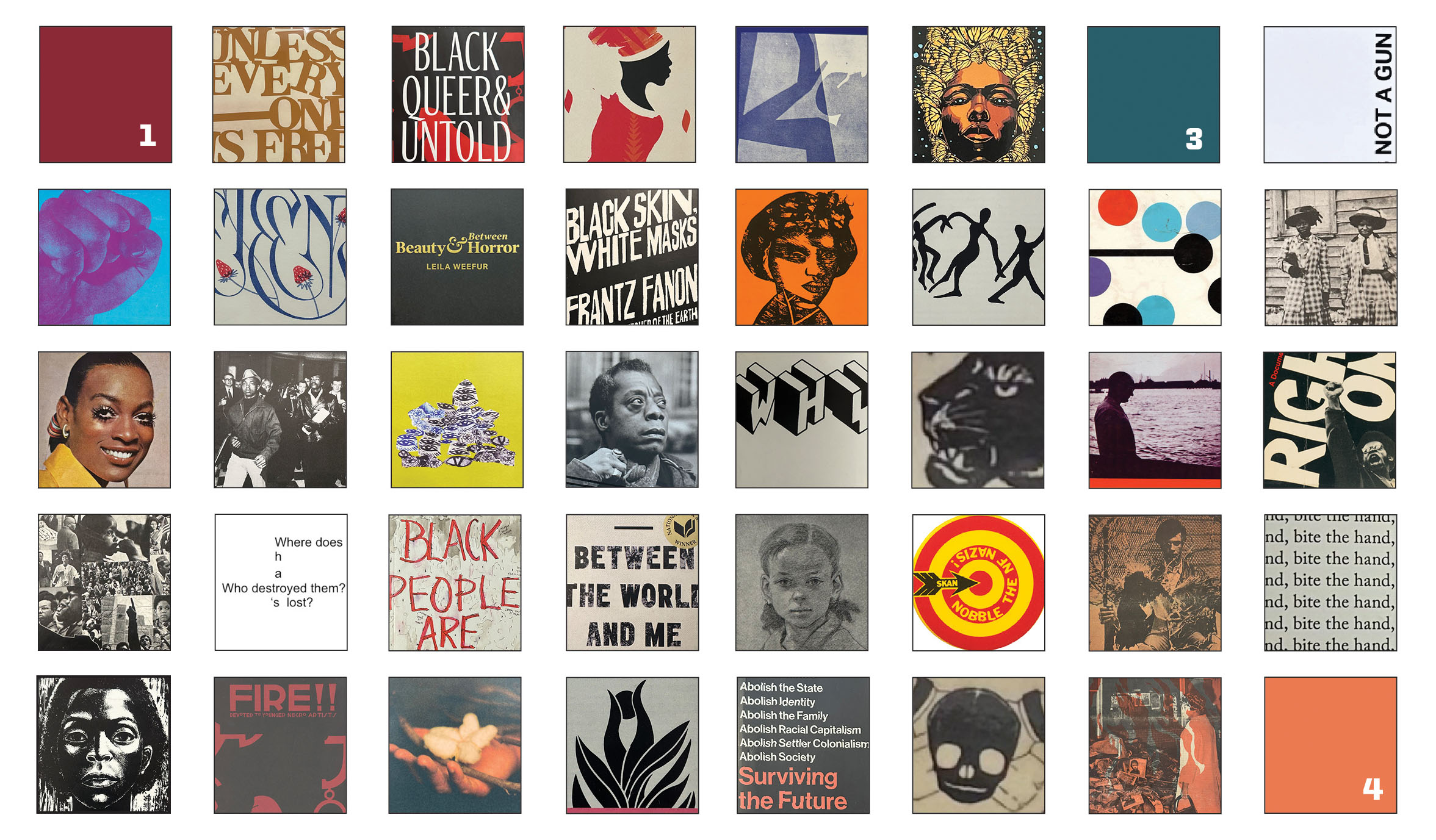
My discoveries began with a list of Black and Indigenous creators I had previously compiled to support funding for the Archive’s initiative to process underrepresented histories, languages, and scripts. My goal was to use this list to “quilt” together an exhibition featuring objects that argued for or celebrated Black scholarship, to discover objects with which I have personal connections, and to highlight objects that exemplify the innate multidisciplinary nature of Black storytelling through non-written media, such as textiles, visual art, and oral histories.
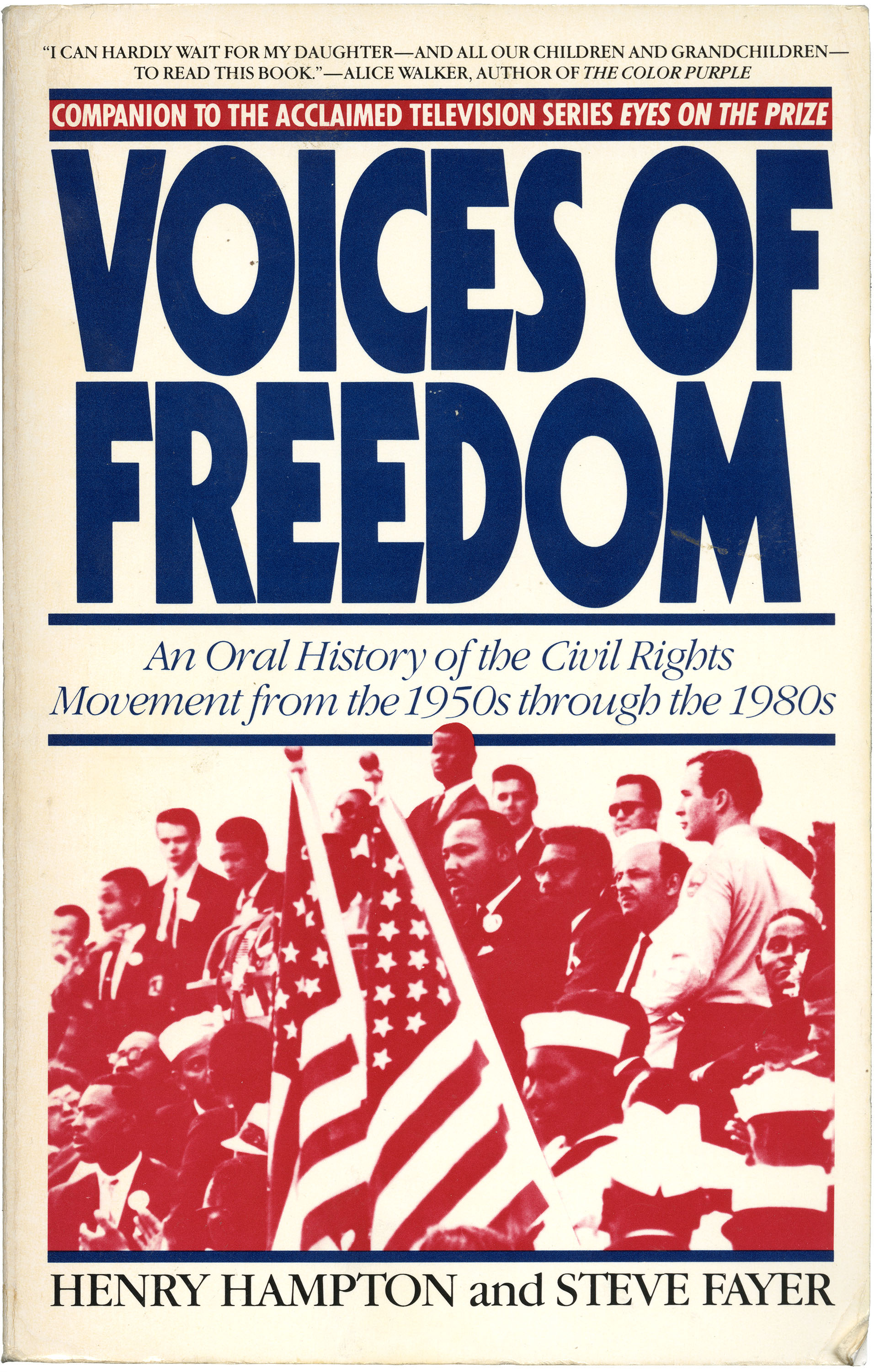
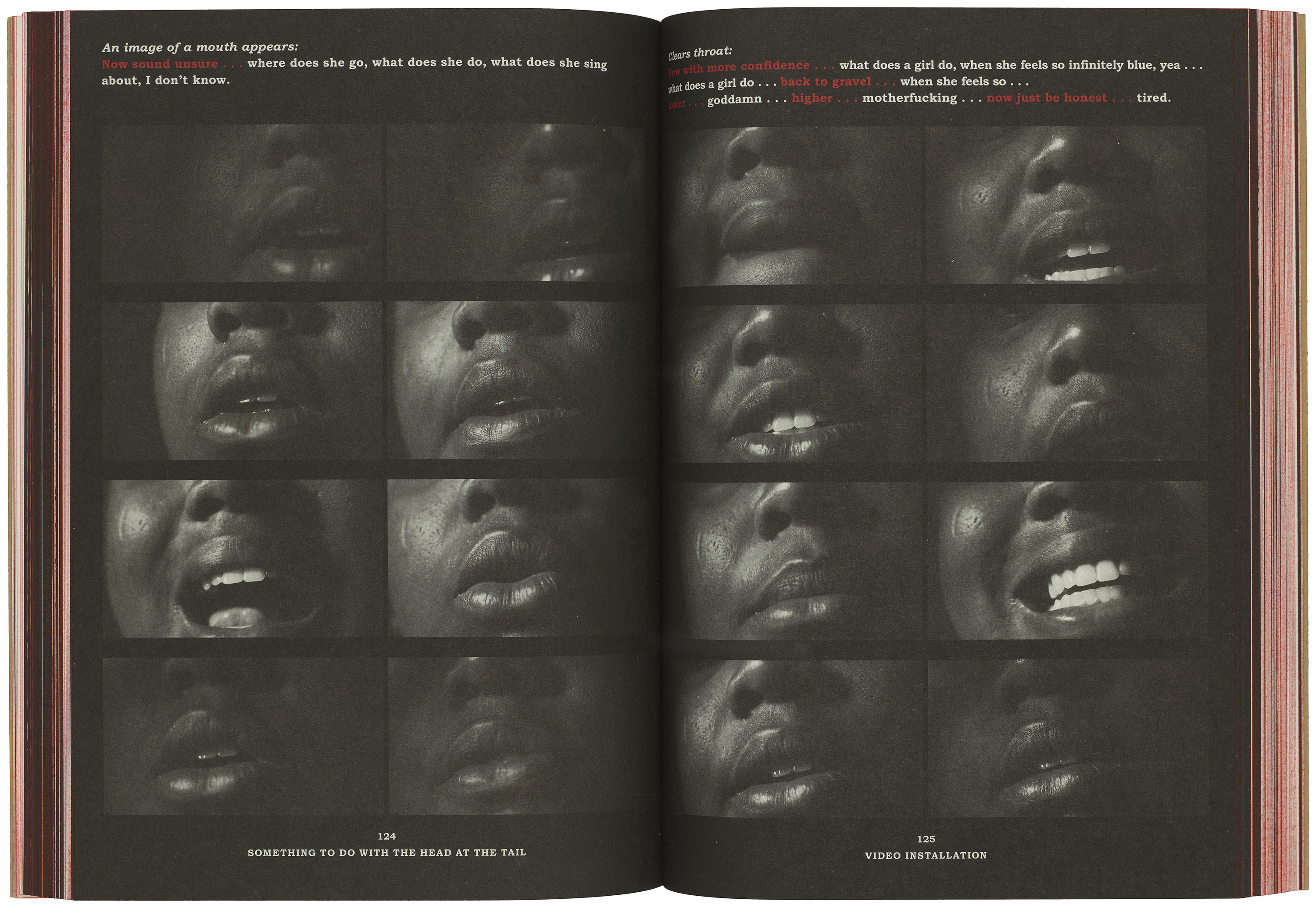
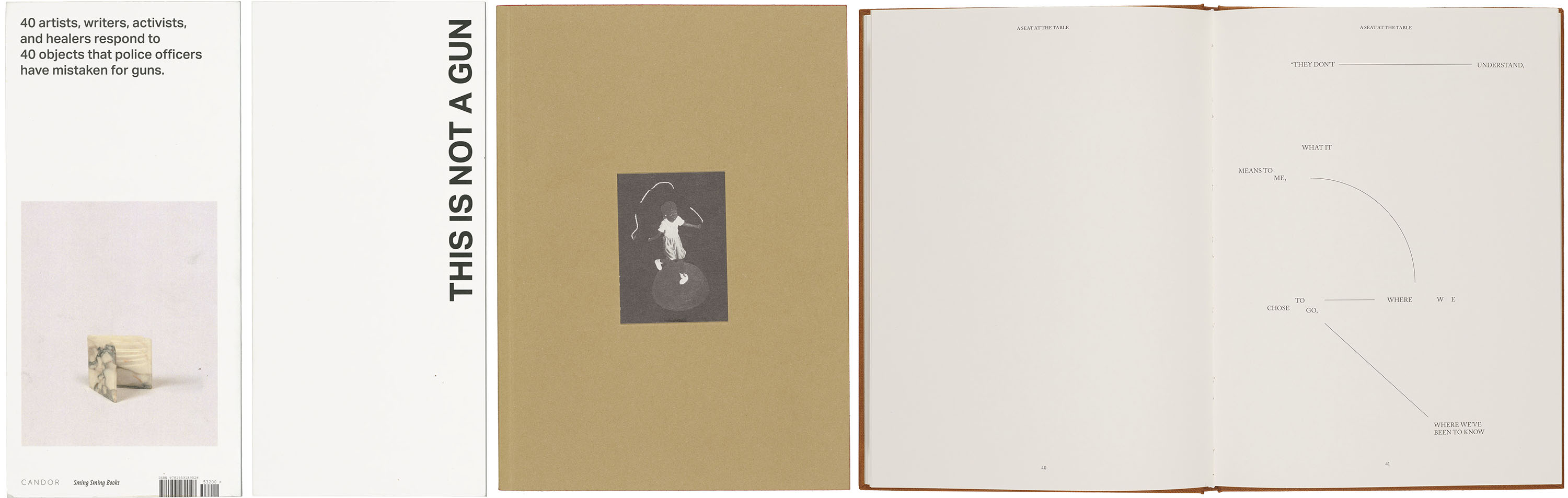
Following The Black Scholar and other periodicals of free-form Black thought, predominantly from the 1960s and 1970s, I discovered key objects within the Archive’s collection that branched from my story. This included Solange Knowles’s A Seat at the Table, which uses the artist’s book format to create a door to her broader creative and social practice; Shala Miller’s Tender Noted, which feels like paging through a diary of self-portraiture and family photos to speak on Blackness and desire; and the various collaborators of the multi-part, multi-media project This Is Not A Gun.
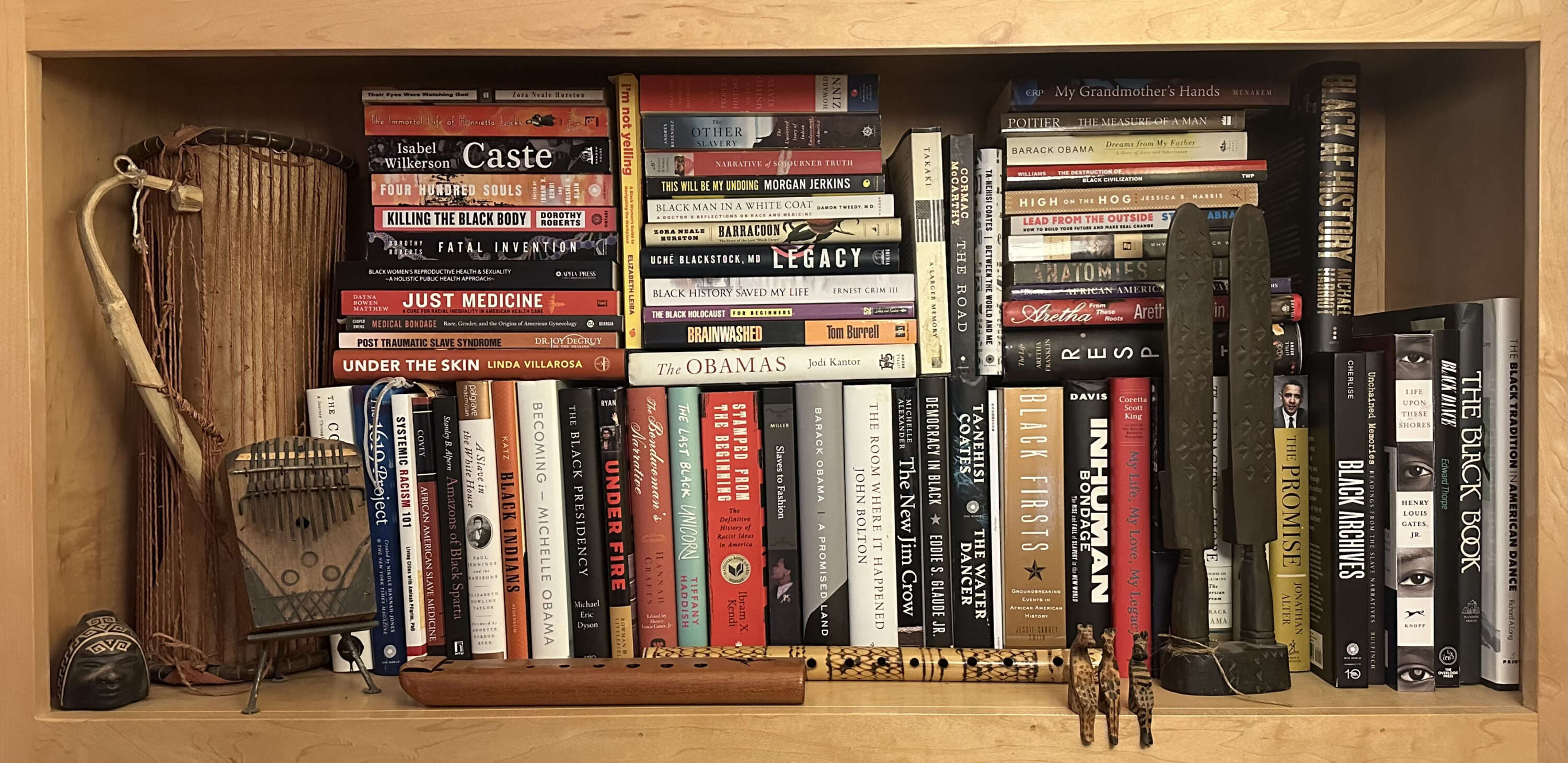
When I received permission to include one shelf and select objects from my mother’s vast collection, I asked her, “Tell me again: why do you have all of these books at the house?” She explained that when my late grandmother returned to school to earn her second degree in African American Studies, my mother also became more interested in the subject. She also wanted resources, specifically printed matter, that she could offer my brother and me if we ever showed interest. Even after my grandmother finished her degree, my mother kept collecting books as more writers, studies, and perspectives on the Black American experience became available. For her, this is both personal and important work: “I fear that we will be erased again.”
Lay Your Quilt and Sew Your Patchwork into Rows
I think my mother’s thoughts on erasure—ones that I share—are why other perspectives are so deeply important in both creativity and preservation. The decision to create an exhibition about storytelling was a conscious one as we navigate preservation and memory work today, when words can be backspaced, pages of progress are easily deleted, and institutional policies let us down. Unless people like me are present in these spaces and can interact with, preserve, and share these objects, it is unlikely they will be activated in this way within archives. Black storytelling belongs as a foundational, not peripheral, form of historical preservation. Black storytelling is a language in itself.
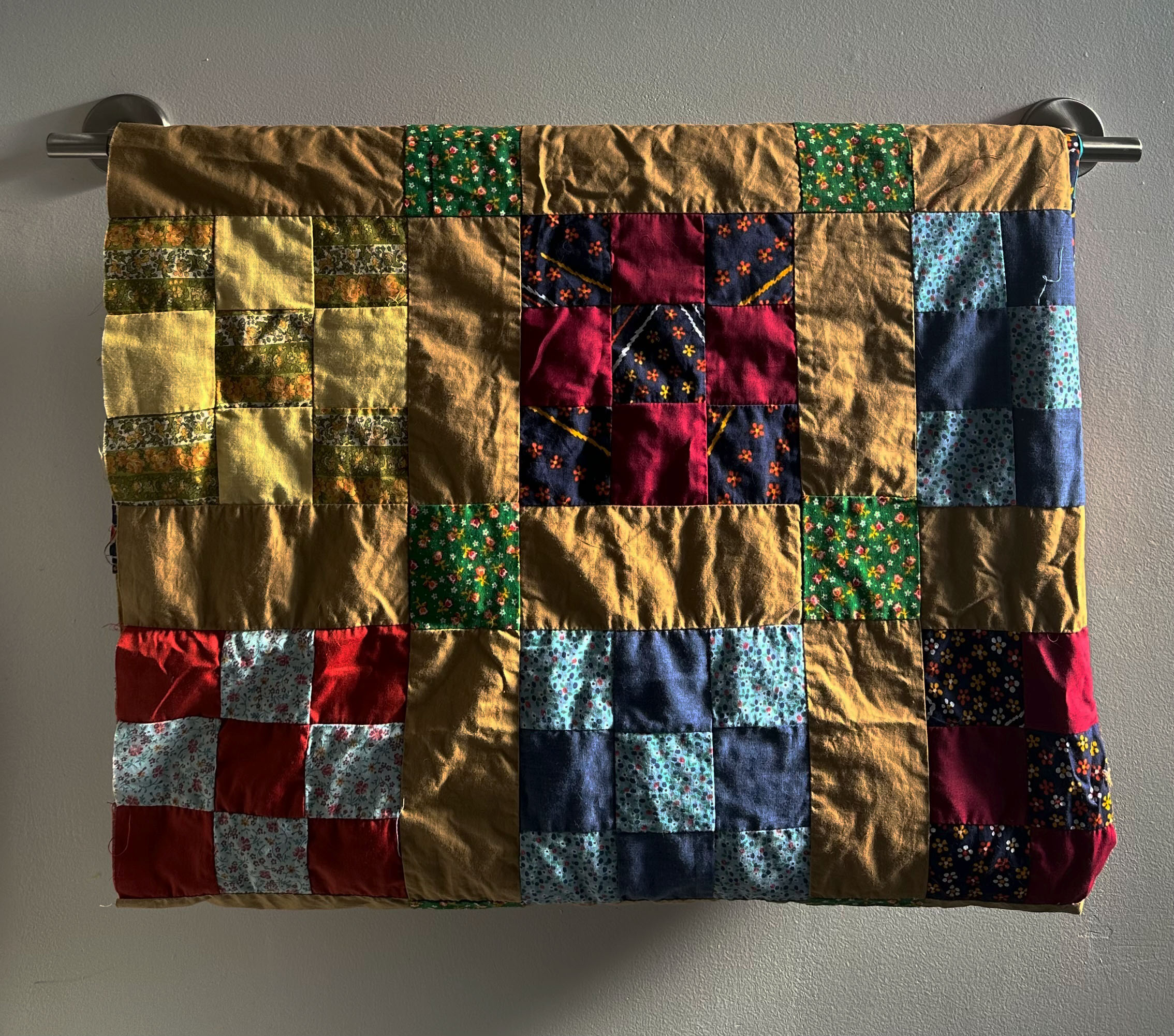
I hope Black Memory Scholar encourages others who have been historically excluded from these spaces to participate in memory work inside and outside the Archive. I want to inspire others to discover the power of storytelling, especially Black women and femmes, who have often been the original archivists of Black life and have preserved and carried lineages forward through any means necessary.
Sew the Quilt All Together
Black Memory Scholar reminded me that the threads among me, my family, and the designers in the exhibition have always existed. The experiences that shape stories and the best storytelling aren’t limited to walls and vitrines; they’re also at your mom’s house, in art inherited from your grandmother, and in your great aunt’s voice.
—Jada Haynes, Senior Collections Associate