Events
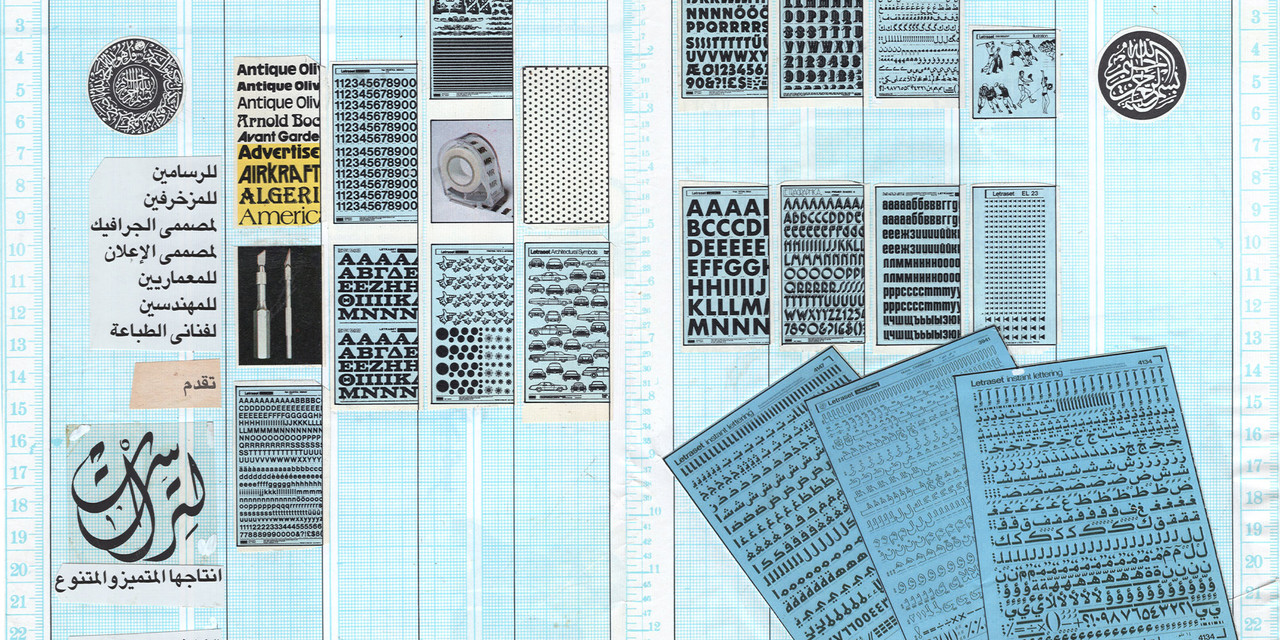
Explore with me: The Arabic letterform in the Arabic Design Archive
with Moe Elhossieny
Take a journey to explore the evolution of the Arabic letterform in the 20th century.
- Date
- Time
During this Letterform Lecture, Moe Elhossieny will explore Arabic letterforms featured in the Arabic Design Archive, showcasing both common and unique styles that have emerged across various mediums, such as Egyptian cinema posters, book design, and other visual ephemera. He will examine how calligraphers adapted to and engaged with new technologies, highlighting styles specifically developed for book design and the prepress process, as well as experimental typographic approaches that pushed the boundaries of Arabic script.
Additionally, Moe will illuminate the plurality and adaptability of Arabic letterforms since the early 20th century, tracing a journey from traditional calligraphic practices to hand lettering with brushes, dry transfer sheets, and modern typographic processes. By mapping these shifts, this lecture will offer a deeper understanding of how Arabic script has evolved over time, reflecting both creative experimentation and responses to changing technological landscapes in the design world.
Letterform Lectures are a public aspect of the Type West postgraduate program. The series is co-presented by the San Francisco Public Library, where events are free and open to all.
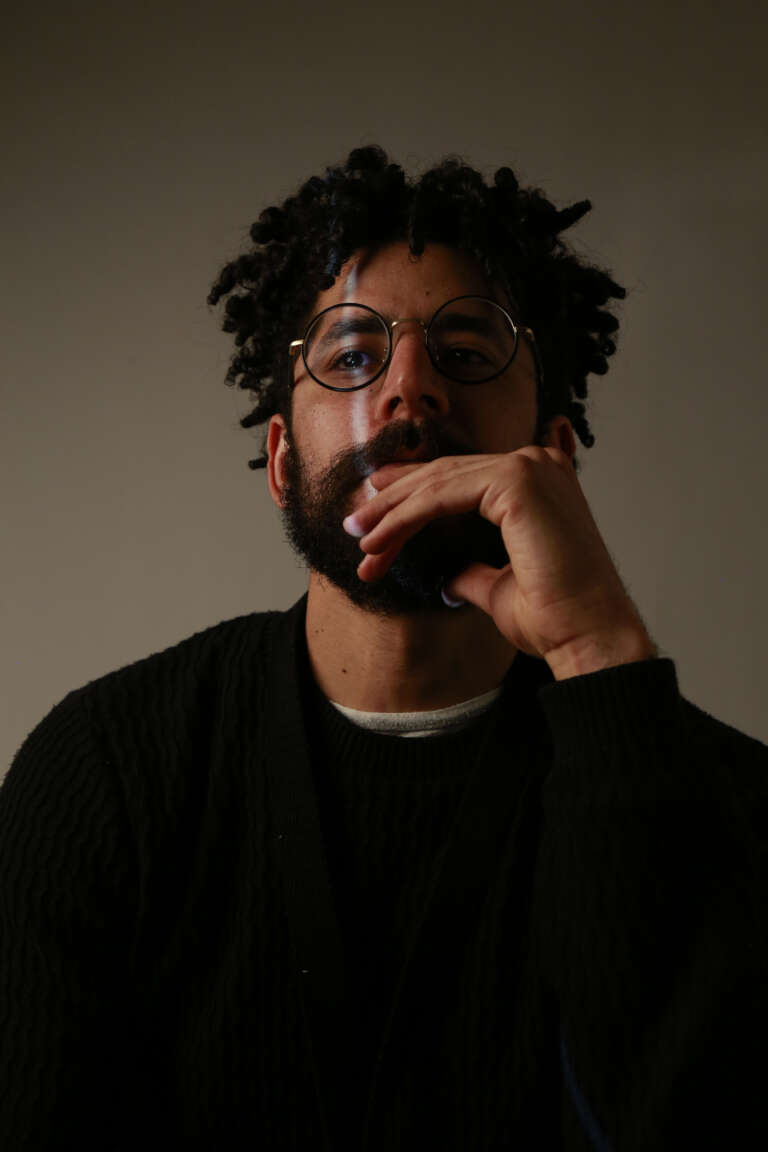
Moe Elhossieny
Mahmoud Elhossieny, a Cairo-based design and creative director, researcher, and writer, has significantly influenced Arabic graphic design. Graduating with an MA in Graphic Communication Design from Central Saint Martins, London, in 2018, he returned to the MENA region fueled by questions about Arab identity and the historical gaps in modern Arab design. Moving away from commercial work, he embarked on a research-focused journey to explore these questions.
In 2020, Mahmoud founded the Design Repository, a specialized platform for publishing on Arabic graphic design, and established the Arabic Design Archive, the largest digital collection of archived Arabic graphic design works, featuring over 8,000 materials from the 1930s to the 1990s. These initiatives positioned him as a leading figure in the field, advancing both scholarly inquiry and practical application in Arabic design.
Mahmoud lectures at universities both regionally and internationally and participates in symposiums and panel discussions with seminal scholars. His dual practice in research-based writing and design not only serves clients but also pushes the boundaries of the field, making significant contributions to the understanding and evolution of Arabic graphic design.