From the Collection: Thomas Ingmire, Susan Skarsgard, Suzanne Moore
Among our holdings of contemporary calligraphy are three artists who break boundaries between visual art and the written word.
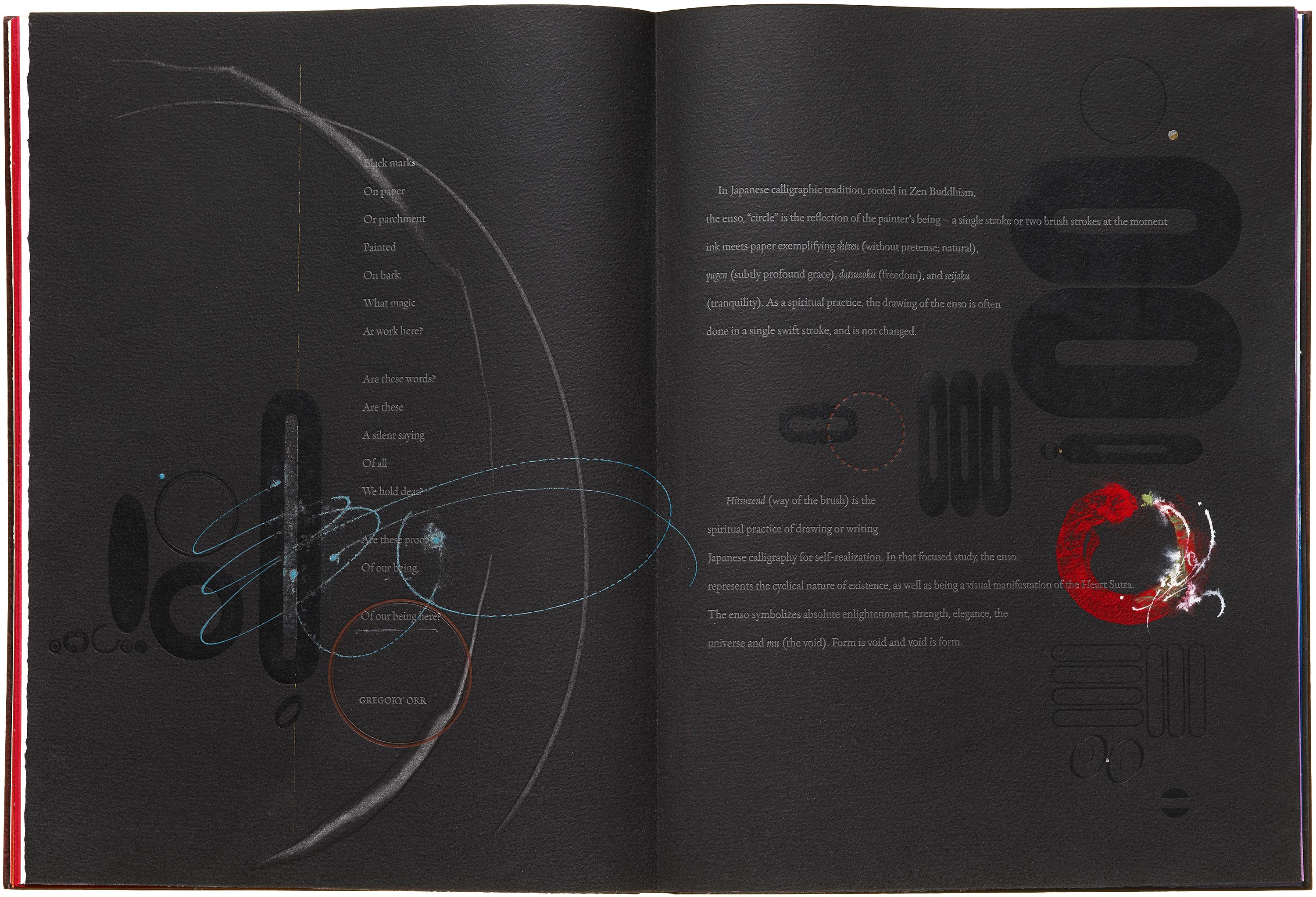
Among our holdings of contemporary calligraphy are three artists who break boundaries between visual art and the written word.
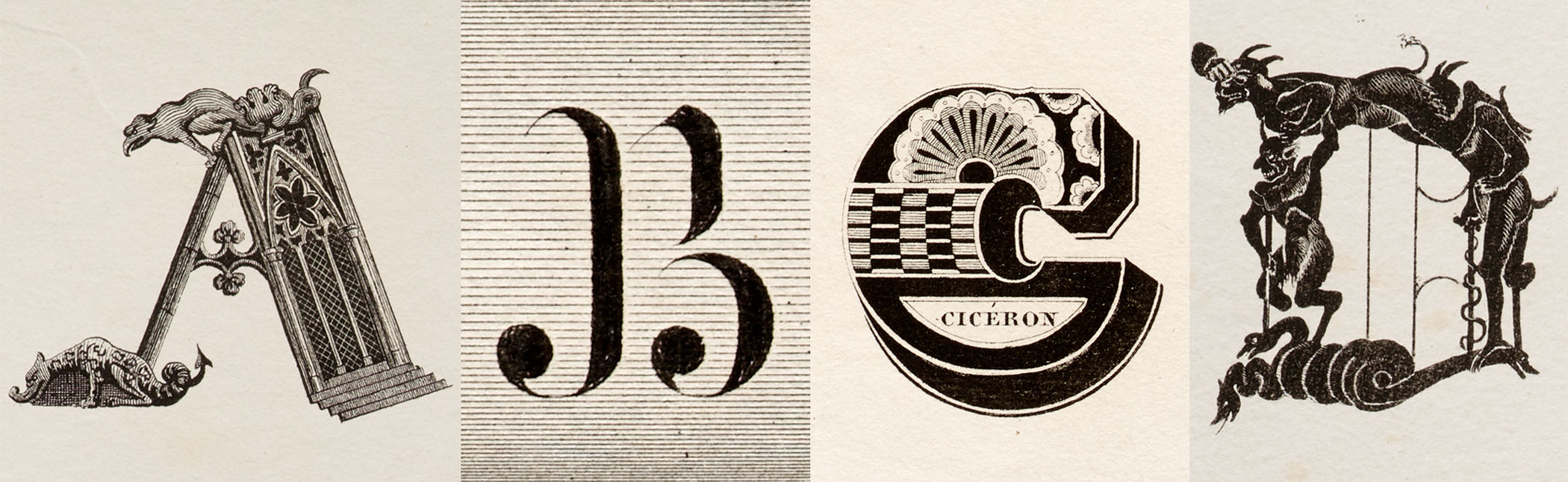
An enigmatic portfolio of fantastical lettering styles continues to fascinate designers and historians. Our guest author Dan Reynolds highlights a few favorite plates.
A message of gratitude from Letterform Archive
On behalf of Bruce Kennett, Rob Saunders, Stephen Coles, and everyone here at Letterform Archive, I would like to thank all 1,059 backers who helped bring the Dwiggins book project to life and ensure Kennett’s remarkable biography will be published.
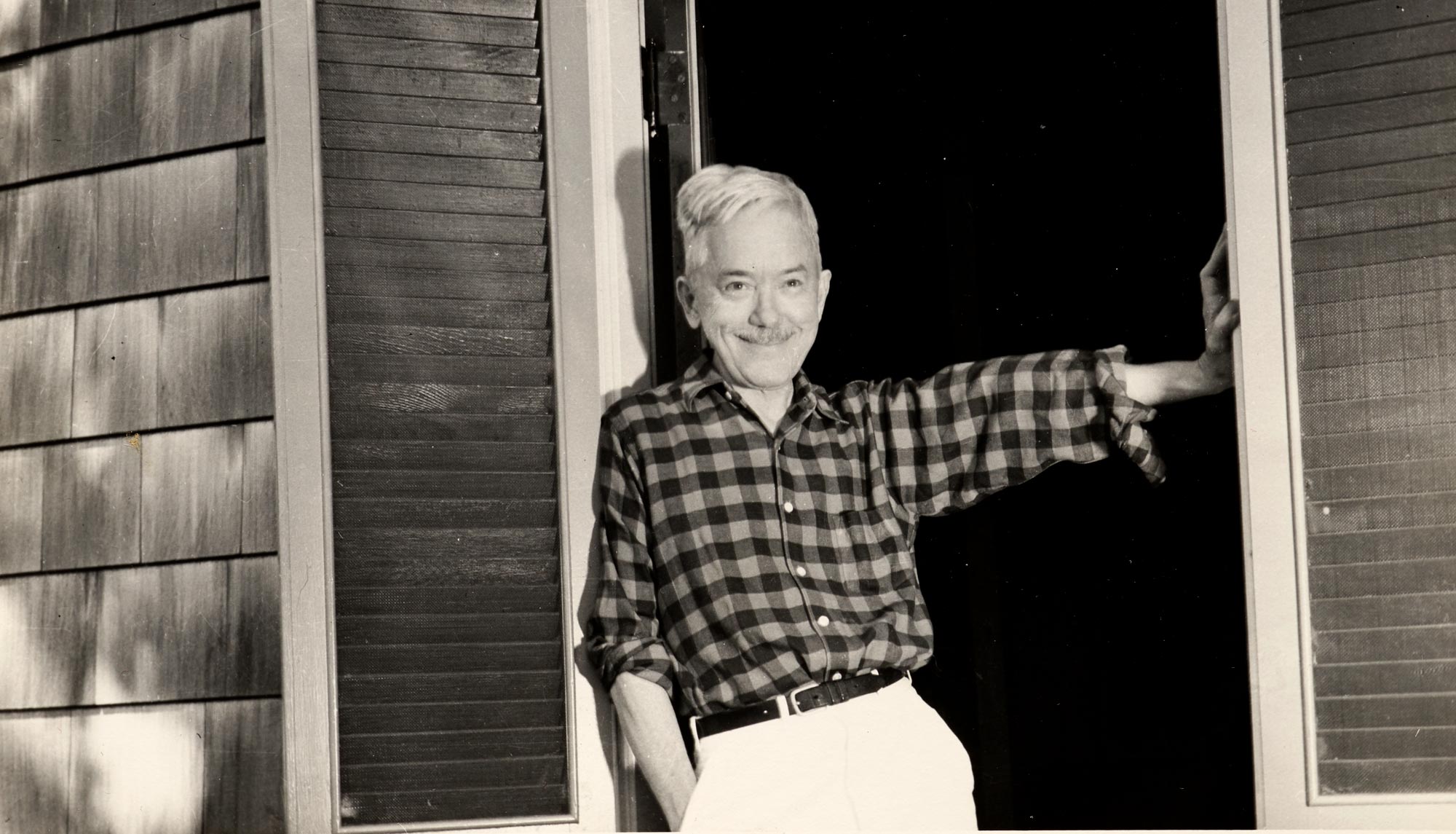
We are grateful for the outpouring of support, and thrilled to have connected with this worldwide community of Dwiggins fans. If we include the direct, offline orders we received from individuals and institutions who could not use Kickstarter, we surpassed our stretch goal. Therefore, in addition to publishing this book, we are committed to digitizing our entire Dwiggins collection, starting with the rarest materials.
Orders for the deluxe edition have now closed, but in case you or someone you know would like a copy of the standard edition and missed the opportunity to get one on Kickstarter, we have set up a page on Indiegogo InDemand to collect all remaining preorders until we go to press in August. Update: You can now order the book directly from the Letterform Archive shop.
W. A. Dwiggins’s 1943 plea for peace uses his own illustrations and type.
In honor of Earth Day 2017, we bring you this small pamphlet, written and designed by W. A. Dwiggins nearly seventy-five years ago, and published by the Typophiles in 1943. The context for this piece was World War II. Influenced by his Quaker background, Dwiggins created, on more than one occasion, vivid work that advocated for an end to aggression and violence. The message of The Crew of the Ship Earth still resonates today, and it seems appropriate to look again at this tiny pamphlet and appreciate its powerful vision: “… an entirely new mental picture of the world’s population: a picture of all of us together sharing the same needs, the same dangers, the same fate … the same hope … .
W. A. Dwiggins: A Life in Design is a comprehensive illustrated book on the innovative type designer, illustrator, and lettering artist.
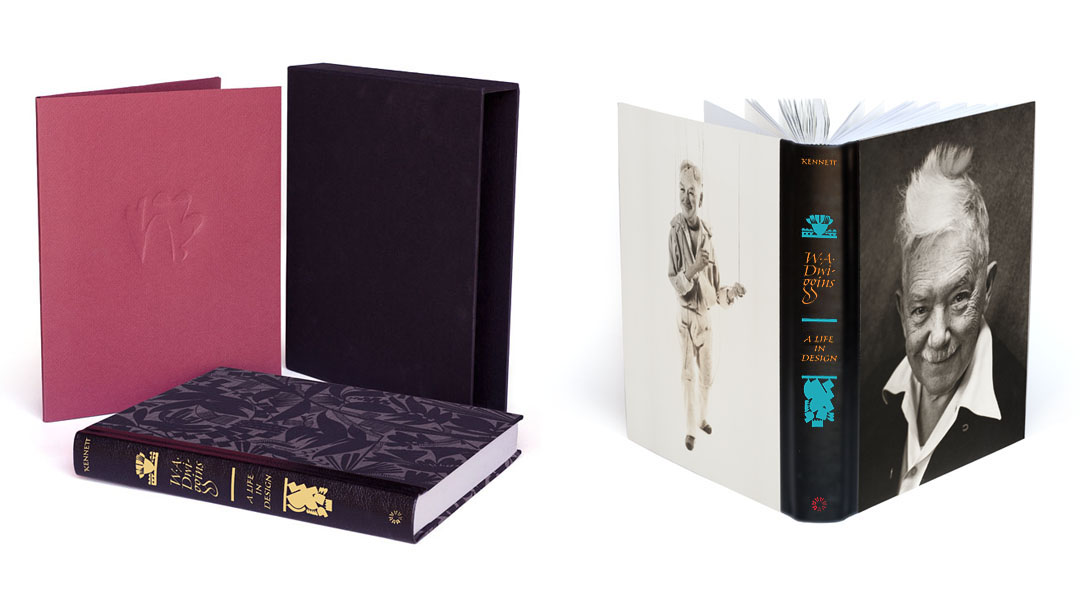
Letterform Archive’s publishing program debuts with W. A. Dwiggins: A Life in Design, a comprehensive illustrated biography of the innovative type designer, illustrator, and lettering artist, William Addison Dwiggins. Written and designed by Bruce Kennett, with a foreword by Steven Heller, this book is essential for anyone interested in graphic design, publishing, and the book arts.
After a successful Kickstarter campaign, the book is now available directly from Letterform Archive.
Order your copy nowOver 200 experiments by the San Francisco printer have arrived at the Archive.
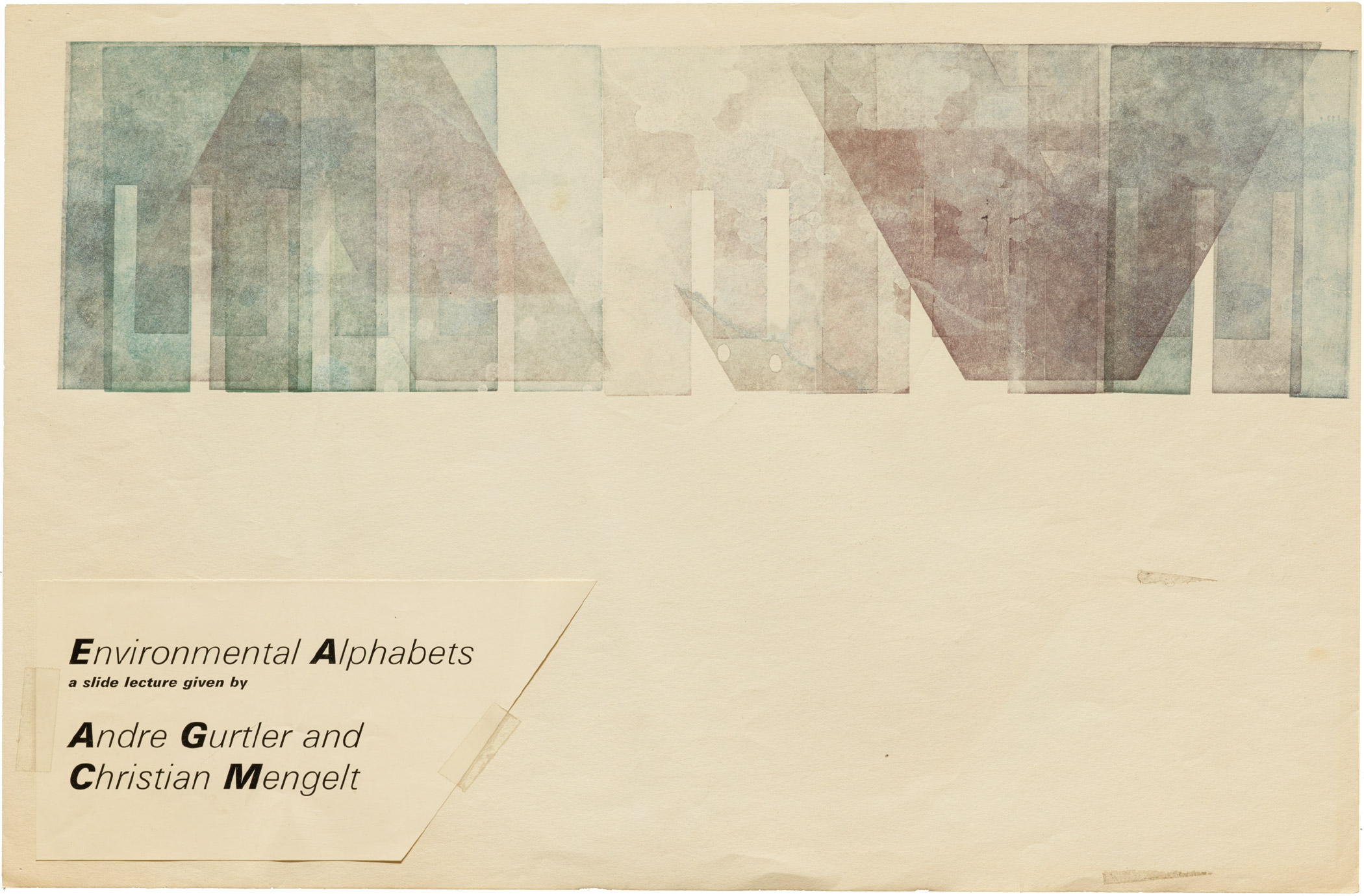
Jack Stauffacher (who celebrated his 96th birthday in December 2016) has been making books since age 16 — which means 80 years spent practicing and perfecting the interrelated arts of printing, typography, design, and publishing. A 2004 AIGA medalist, the self-taught Stauffacher is one of the most distinguished printers in the United States today.
We now hold over 150 pieces from the pioneer of 20th-century experimental typography and photomontage.
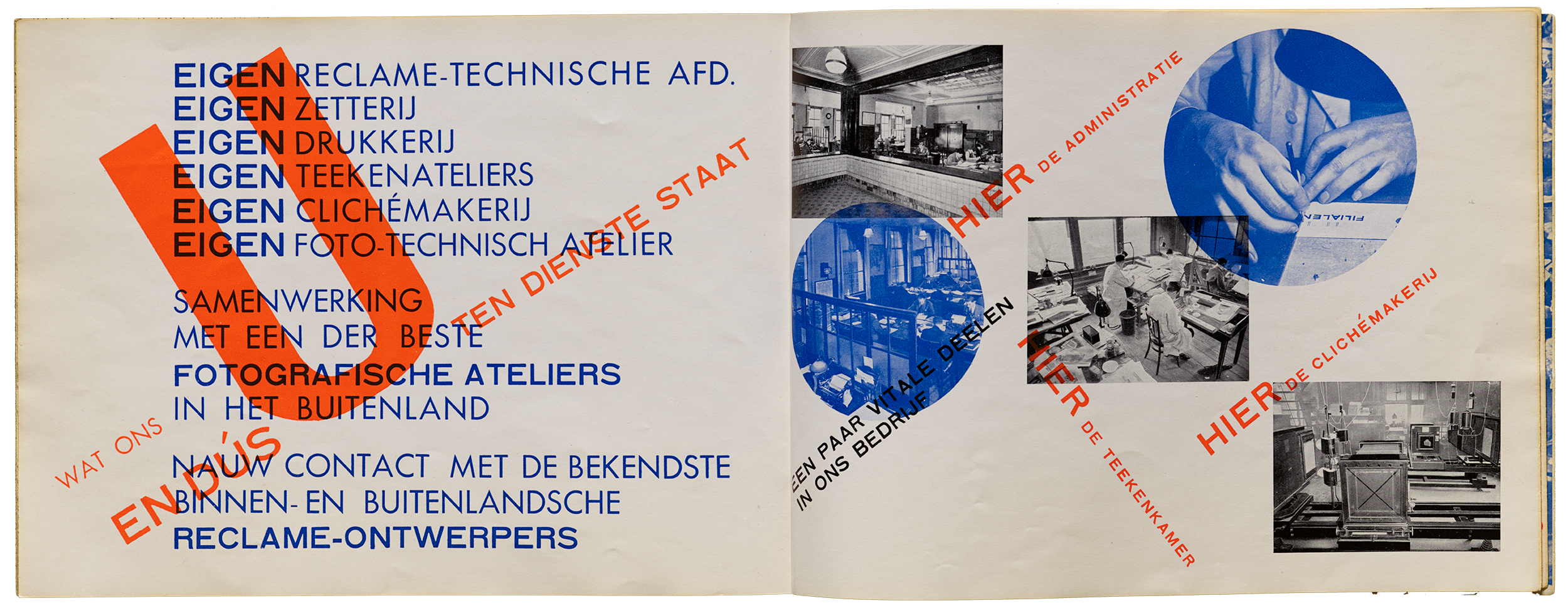
Last August, the Tholenaar collection of type specimens made its way from Amsterdam to San Francisco. Since then, we’ve shared the acquisition with hundreds of letter lovers.
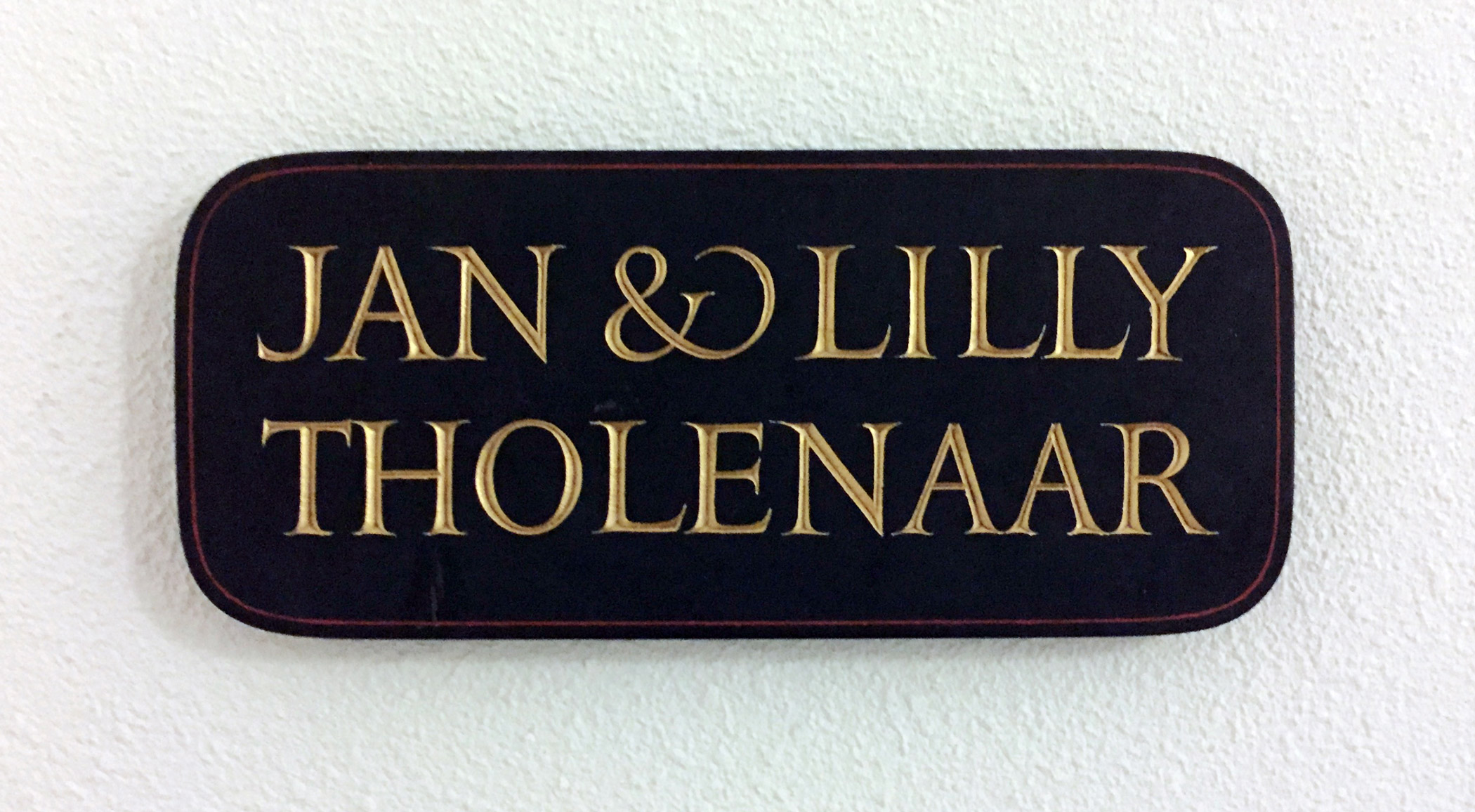
Jan Tholenaar (d. 2009) was a Dutch bibliophile who collected the letter arts in a variety of printed formats. His extensive collection of books, type specimens, and ephemera is best-known for serving as the inspiration behind Taschen’s Type: A Visual History of Typefaces and Graphic Styles. In his introduction to Volume I, Cees W. de Jong speaks admiringly of Tholenaar’s “international private collection of type specimens, his admiration and love for diverse letters and ornaments, and his examples of artistic printing.”