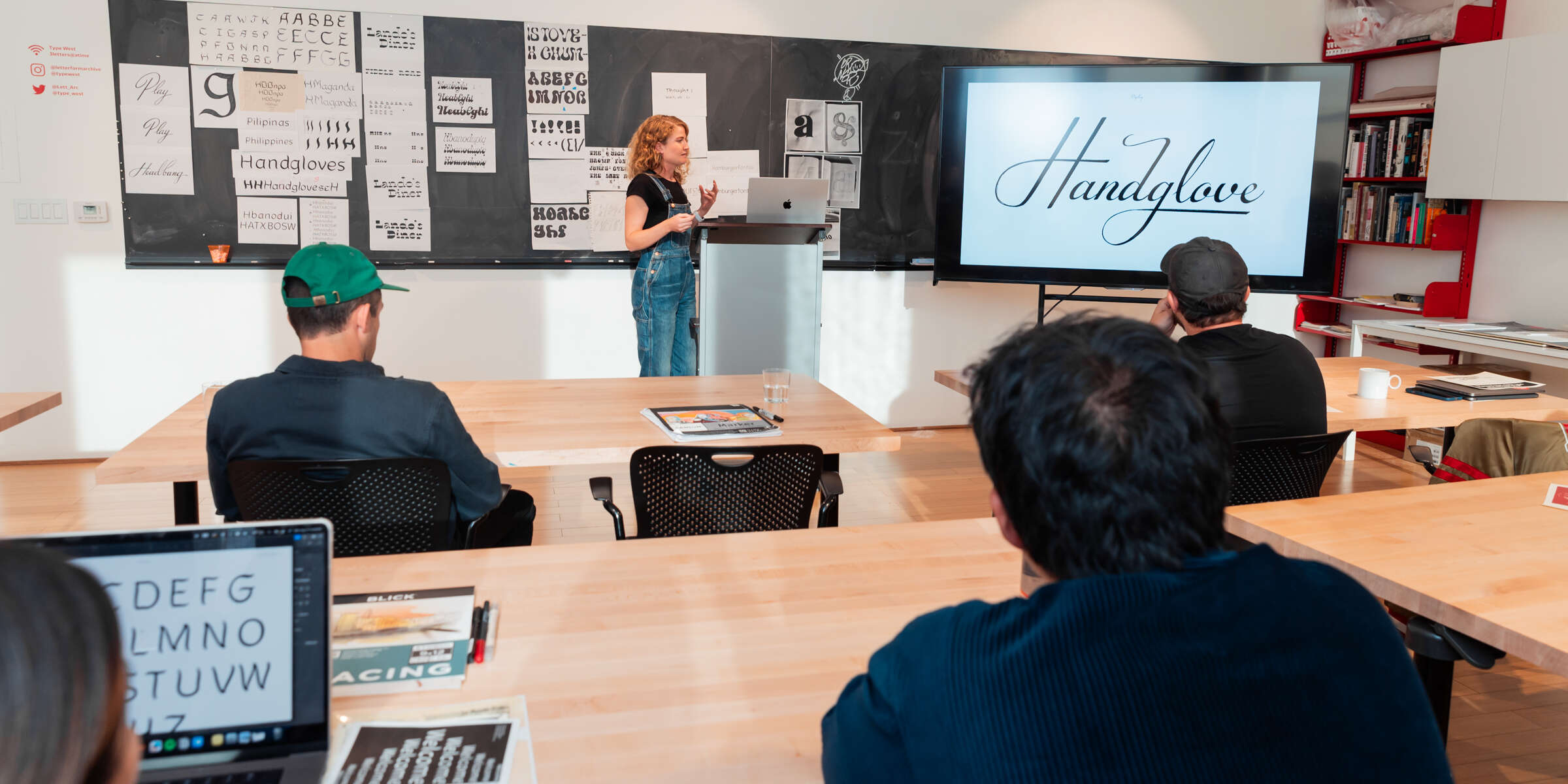
We are excited to announce a meaningful way to support Type West students through accessible and high-impact giving. What’s Type West? Type West is a yearlong, postgraduate certificate program in type design available in person in San Francisco or online to students worldwide. We are exceedingly proud of this program, which is now celebrating its tenth year!
How can you support the future of type design through historically grounded, accessible education? Consider joining the Small Foundry Fund.
Our next pop-up exhibition is on view in the Reading Room gallery from April 28 to July 10, 2026. Jada Simone Haynes describes the very personal process of curating the show.
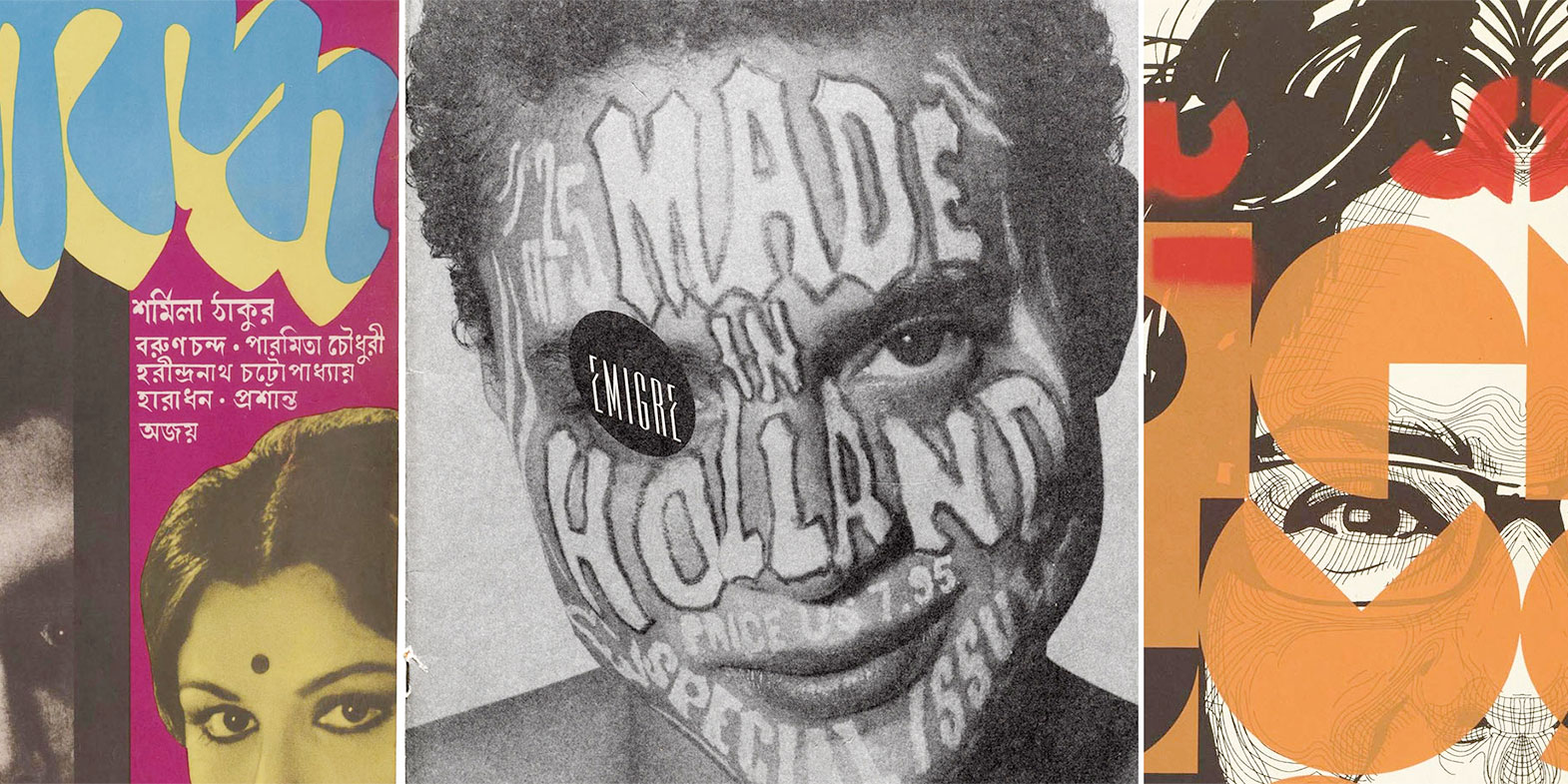
अक्षरों के इतिहास और डिज़ाइन की कहानियाँ, अब हिन्दी में। / An introduction in Hindi to Letterform Archive’s collection.
यह लेटरफॉर्म आर्काइव पर प्रकाशित होने वाला पहला हिंदी लेख है। इसमें दुनिया भर से आई वस्तुएँ शामिल हैं, और यह लेख उनके कुछ चुने हुए उदाहरण प्रस्तुत करता है। इसे लिखने का उद्देश्य सिर्फ़ नए पाठकों तक पहुँचना नहीं है, बल्कि रॉडिकल एक्सेस के विचार को आगे बढ़ाना है, जिस पर लेटरफॉर्म आर्काइव की नींव रखी गई है।
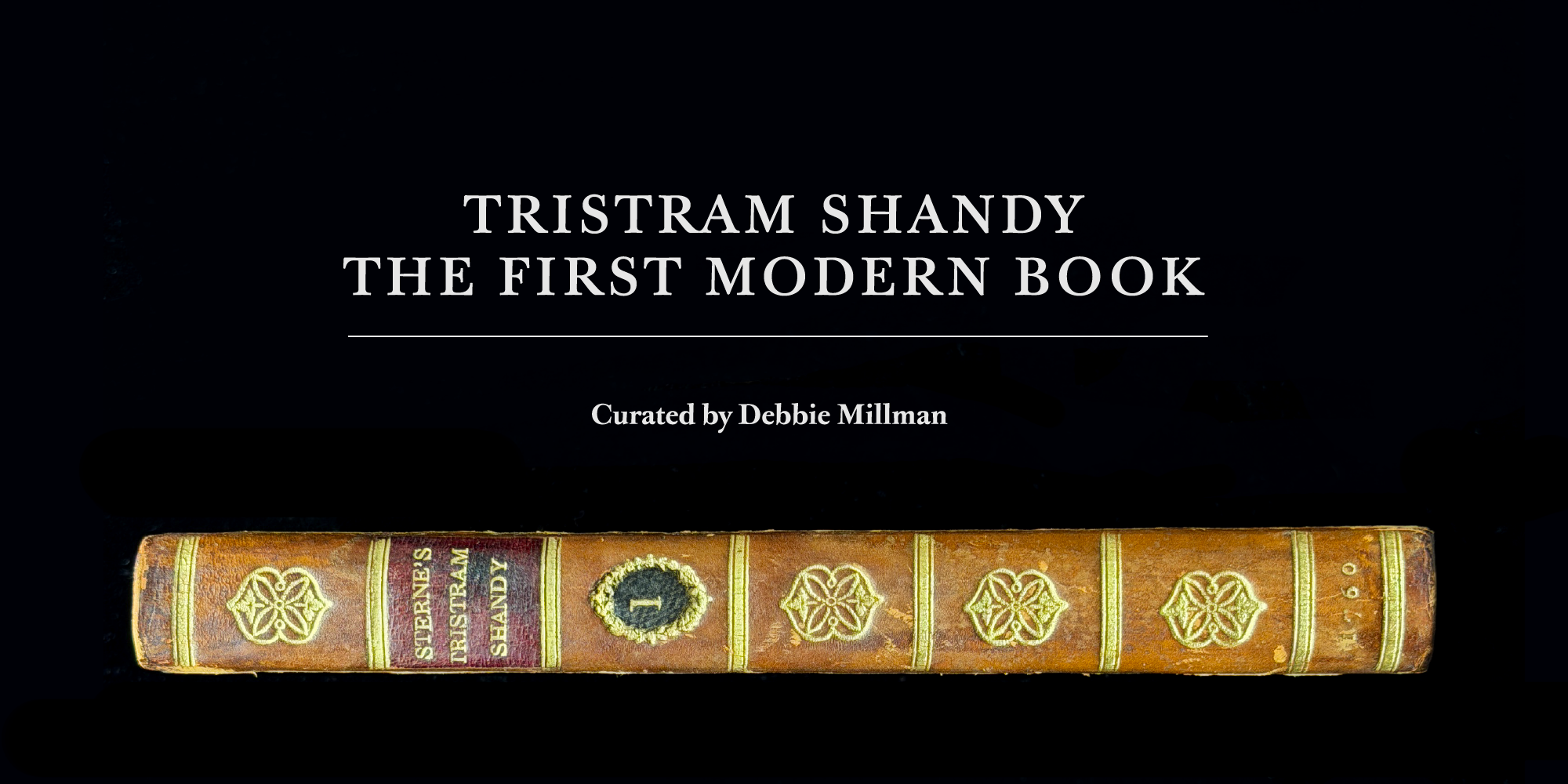
Tristram Shandy, The First Modern Book is on view in the our Reading Room gallery until April 26, 2026.
Letterform Archive is honored to welcome author, artist, educator, designer, and podcast pioneer Debbie Millman as a guest curator for our latest reading room exhibition. Tristram Shandy, The First Modern Book showcases a book that, in many ways, feels astonishingly modern—even though it was first published 266 years ago in 1760.
We return to Switzerland to consider the impact of the provocative designer who pushed modern typography to its limits.
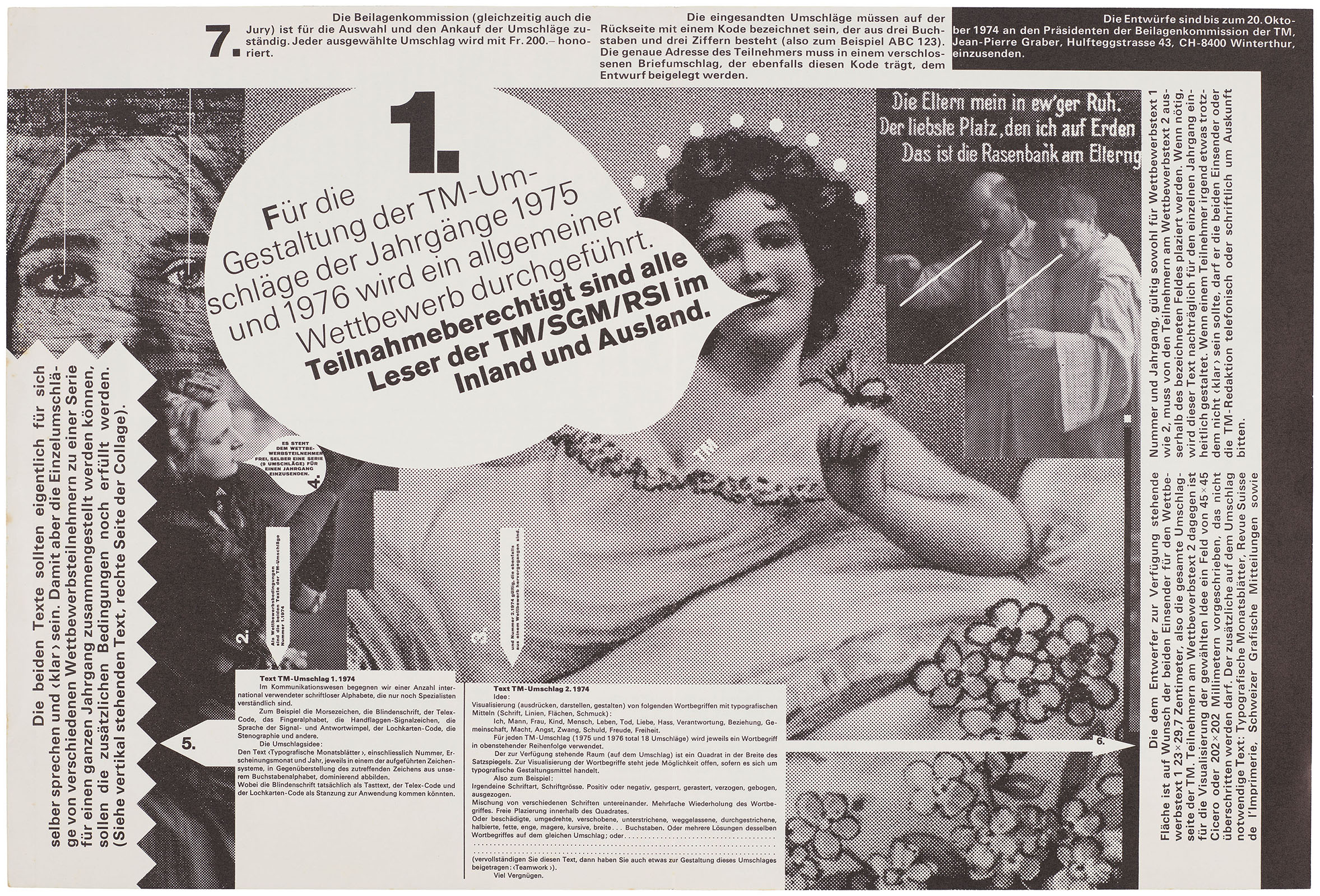
In 1972, the editorial board of Typografische Monatsblätter (TM), one of the leading trade journals in Switzerland, approved a series of cover designs intended to lay the groundwork for the publication’s new artistic direction. Enlisting newly appointed board member Wolfgang Weingart (1941–2021) to produce fifteen covers for the 1972 and ’73 print runs, the outcome inspired both high praise and harsh criticism from a design milieu accustomed to the quiet precision of former art director Robert Büchler (1914–2005) and regular contributor Emil Ruder (1914–1970). Weingart’s provocative covers invited an unprecedented level of controversy by appearing to flout the fundamental principles of modernist design. Instead, his iconoclastic approach struck at the very heart of the Swiss tradition.
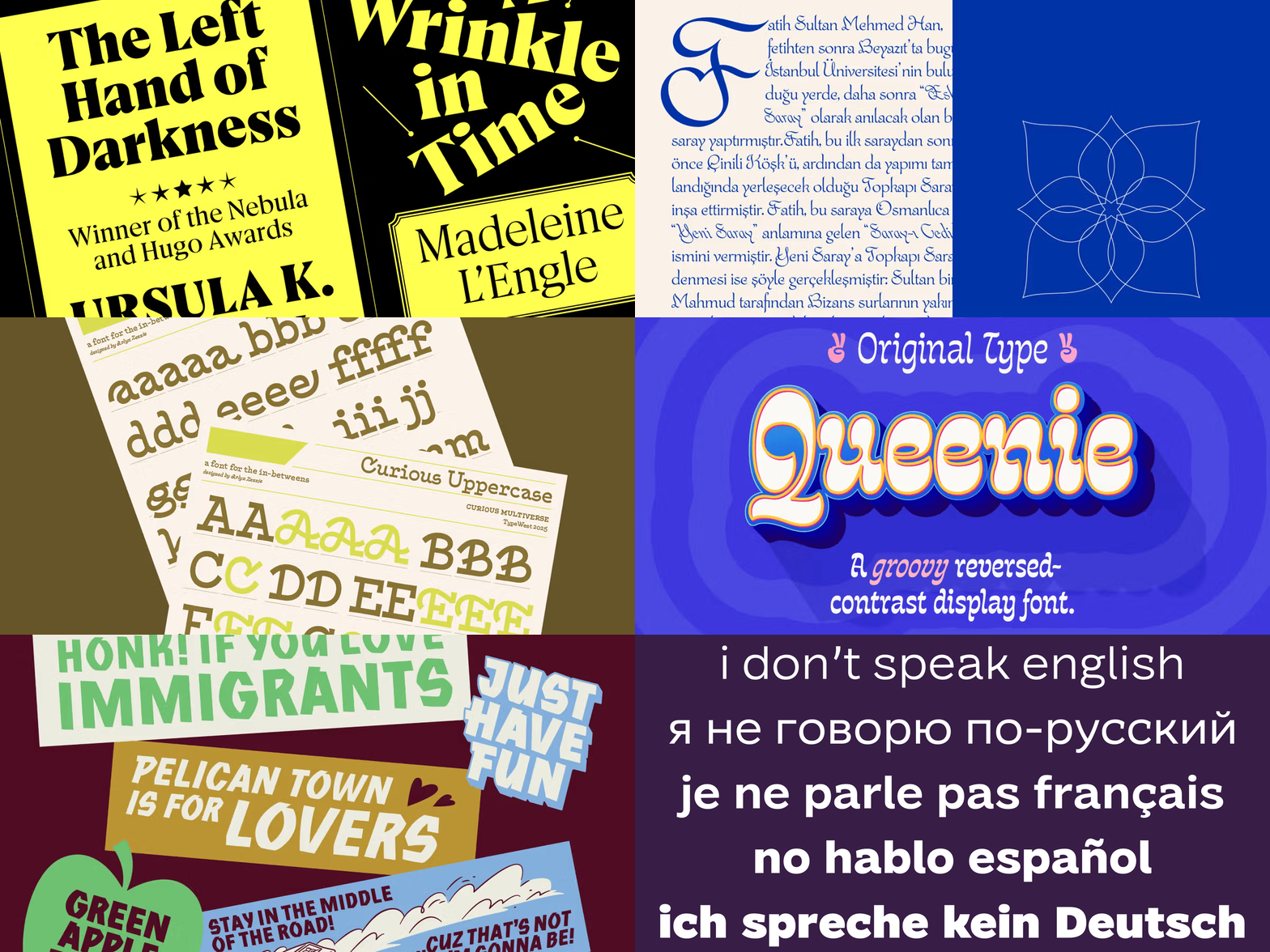
The Archive’s type design program turns 10 this year! Take a look at what a half-dozen recent grads created during their time here.
It’s hard to believe it’s been ten years since the inaugural class of Type West (then known as Type@Cooper West) welcomed its first type design students! In 2025, we graduated 24 talented individuals from our local cohort in San Francisco and 17 other cities worldwide. The website showcasing the Class of 2025’s final typeface projects is now live!
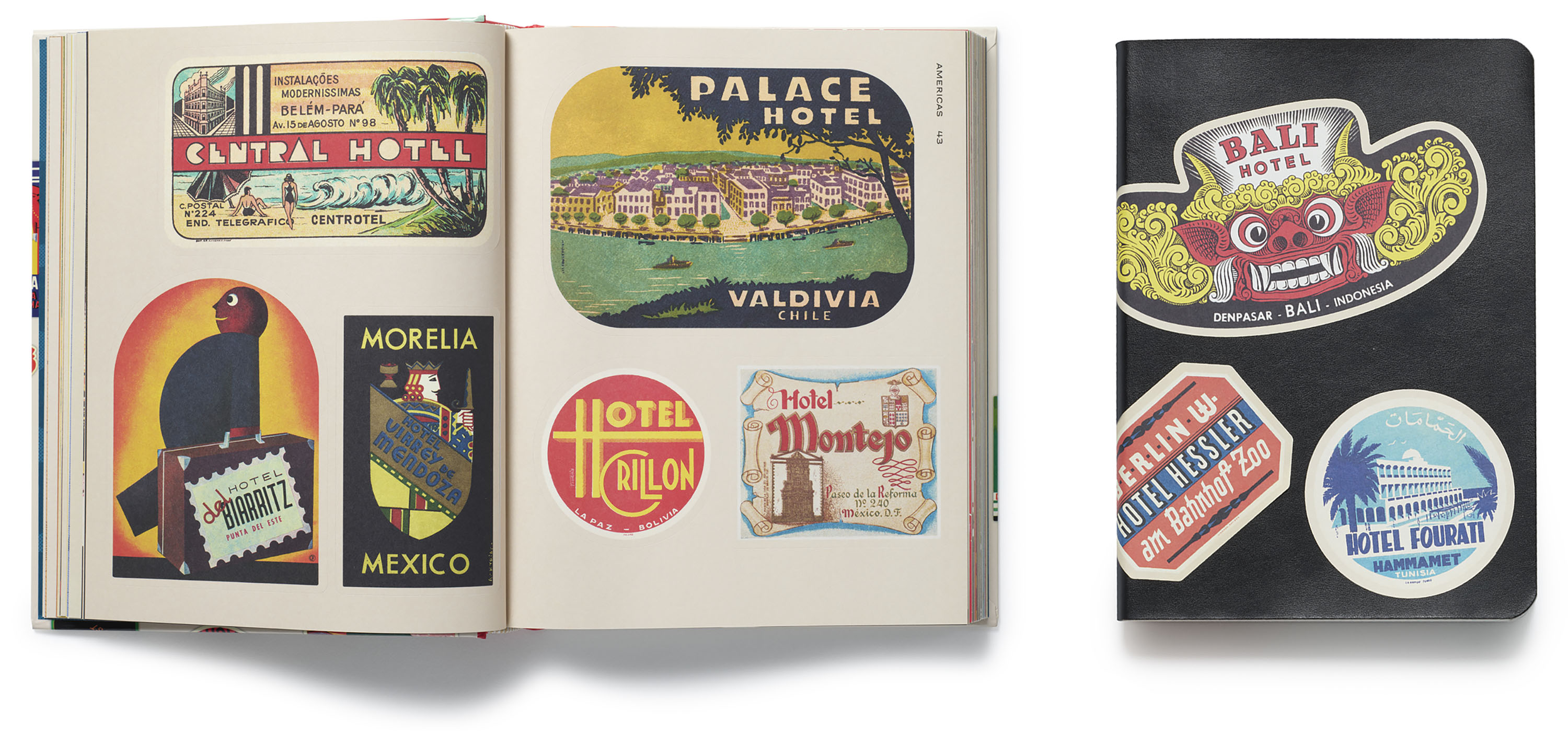
Both a feat of production and a feast for the eyes, Hotel Retro reproduces exquisite twentieth-century steamer trunk labels as hundreds of full-color stickers that readers can actually peel off the page and adhere.
Interior spread from Hotel Retro (left) and an example of the stickers in use (right)
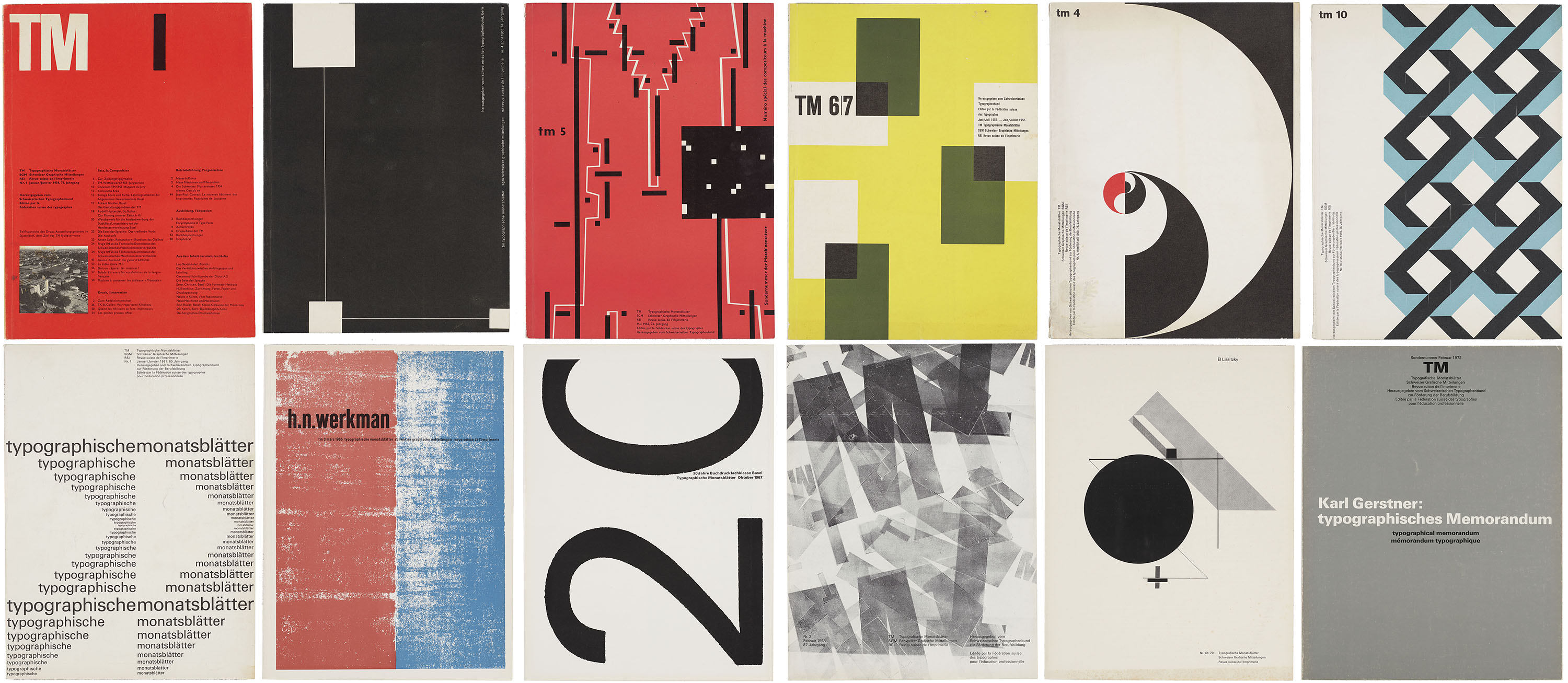
An influential trade journal reveals the origins of Swiss typographic style and provokes conversation between objects at Letterform Archive.
In 1952, the competing Swiss trade journals Schweizer Graphische Mitteilungen and Revue suisse de l’imprimerie merged with Typografische Monatsblätter (TM), a monthly periodical advertised as the leading publication of the Swiss graphic design industry. Tailored to a diverse audience of design professionals, the magazine published articles in German, French, and English under the editorial direction of Rudolf Hostettler (1919–81), with Robert Büchler (1914–2005) overseeing its initial art direction. Unlike many contemporary trade publications that focus primarily on showcasing finished work, TM combined writing on professional practice with long-form essays devoted to design theory and criticism. From the early ’50s through the ’60s, both the journal’s editorial content and visual approach were strongly influenced by contributing editor Emil Ruder (1914–70), whose tenure at the Allgemeine Gewerbeschule Basel helped to establish the foundational principles of Swiss Style.