Lettres Décoratives: A Century of French Sign Painters’ Alphabets
$65.00
MSRP:
From the Age of La Peinture en Lettres
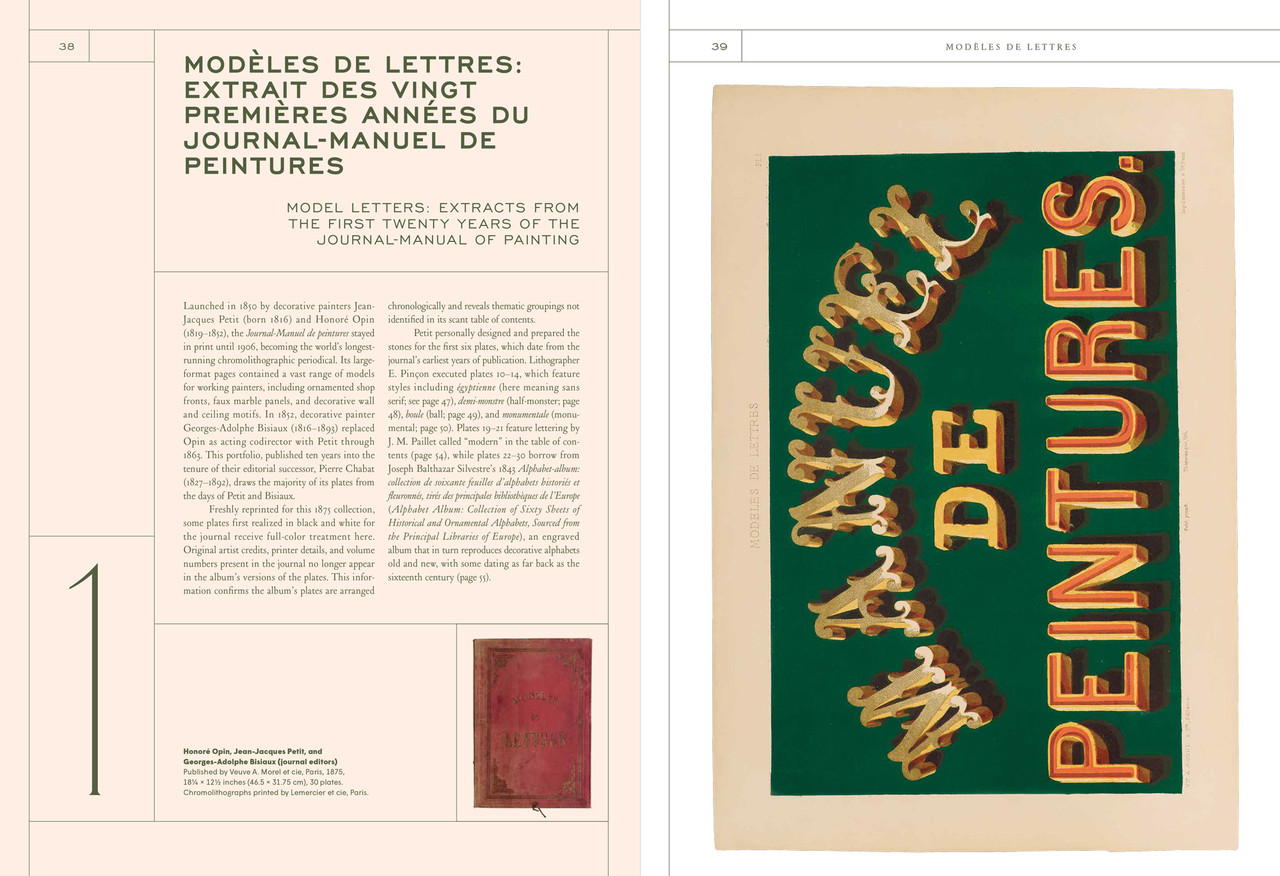
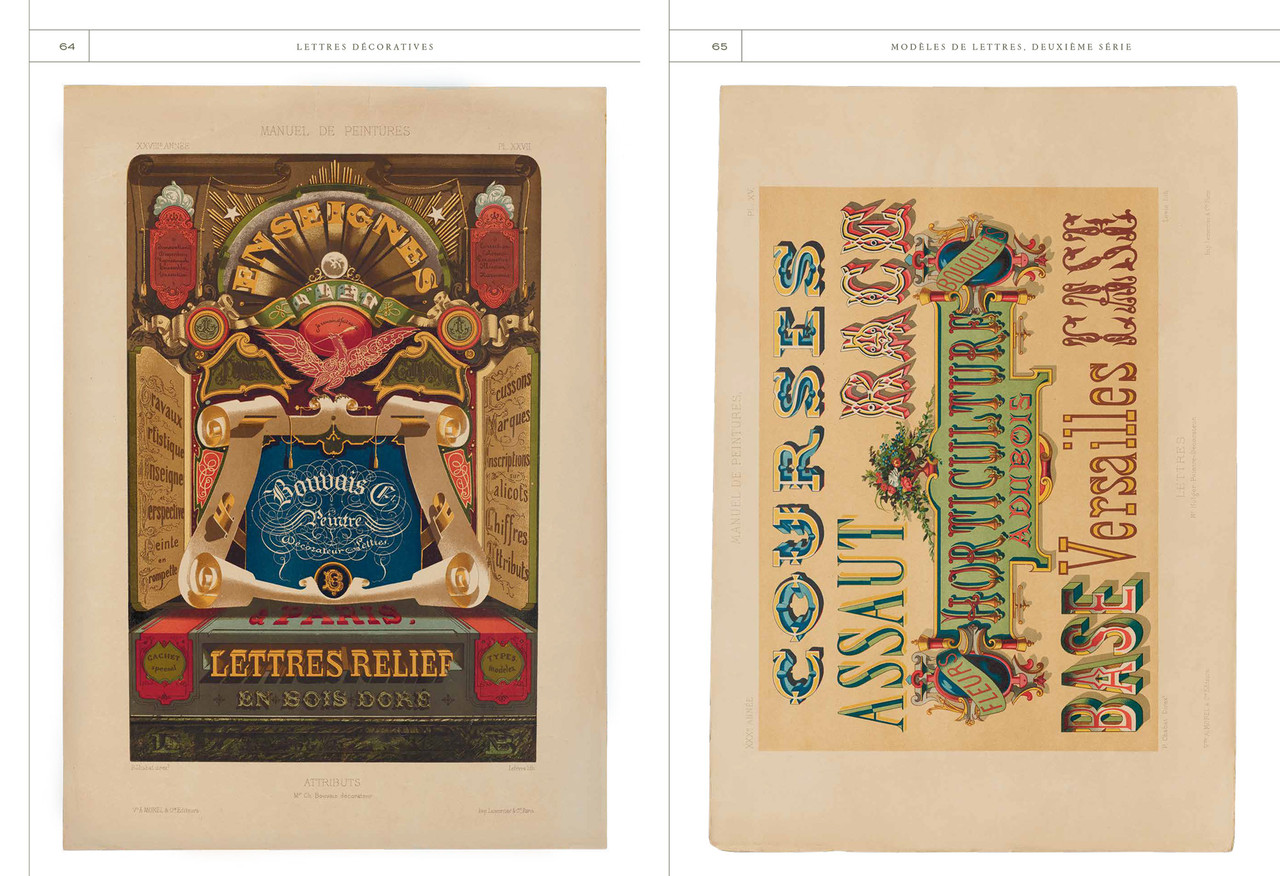
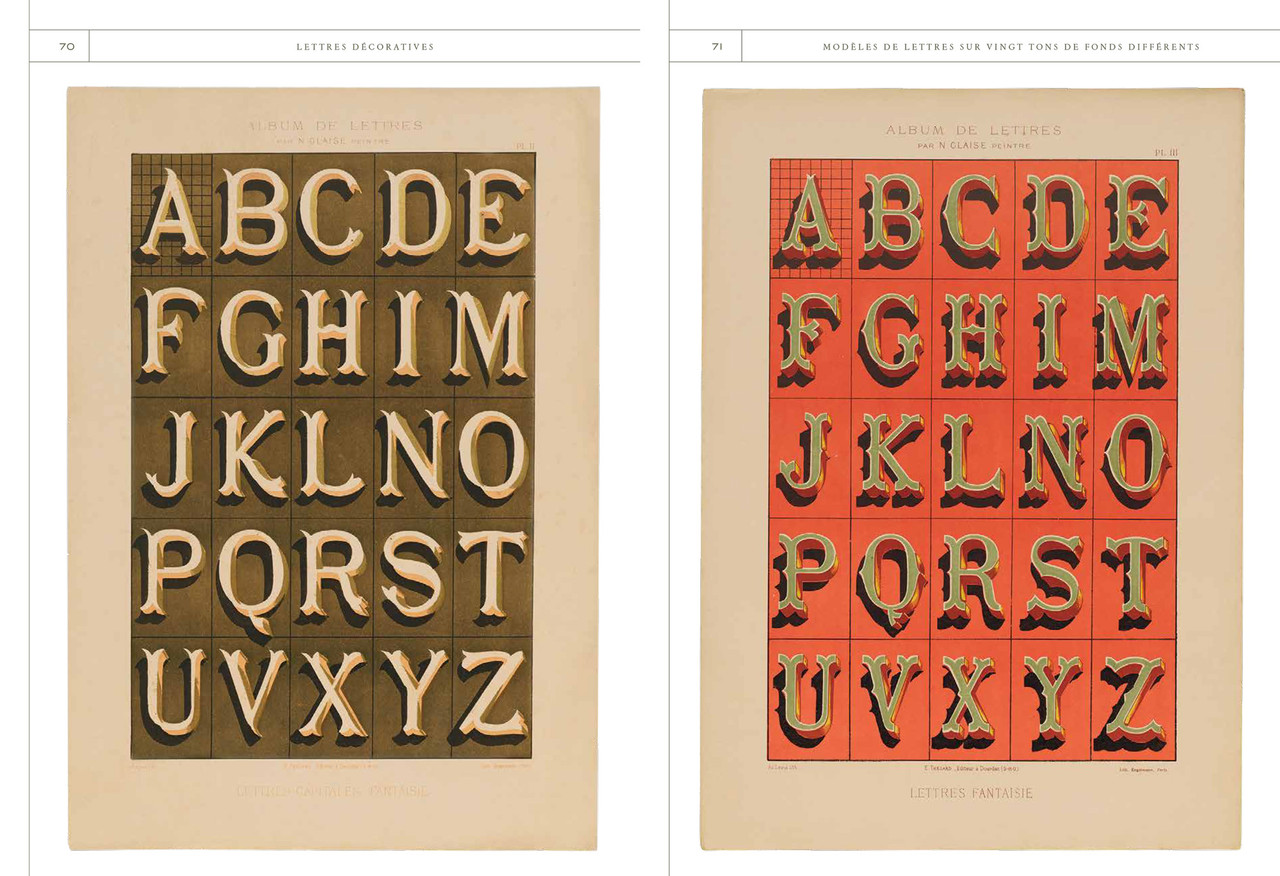
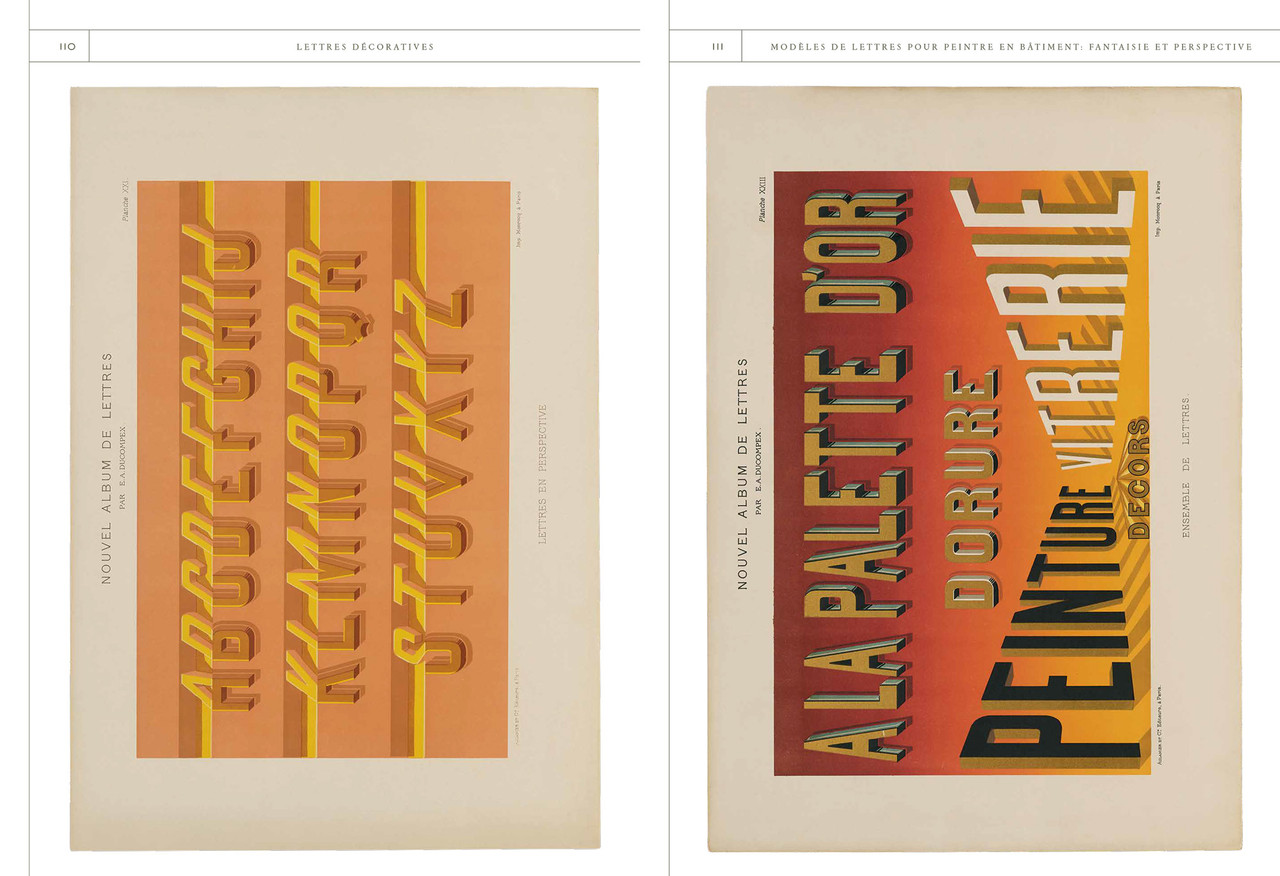
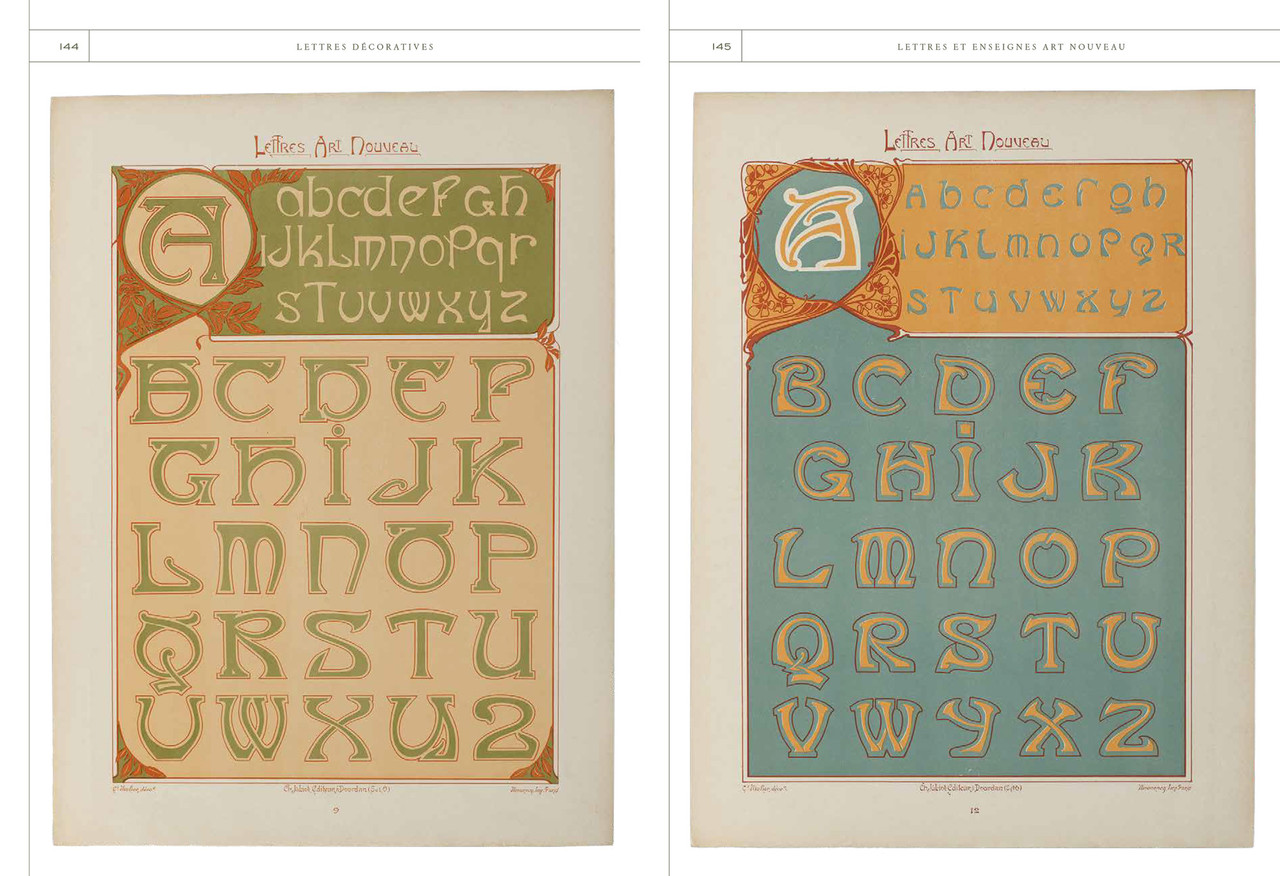
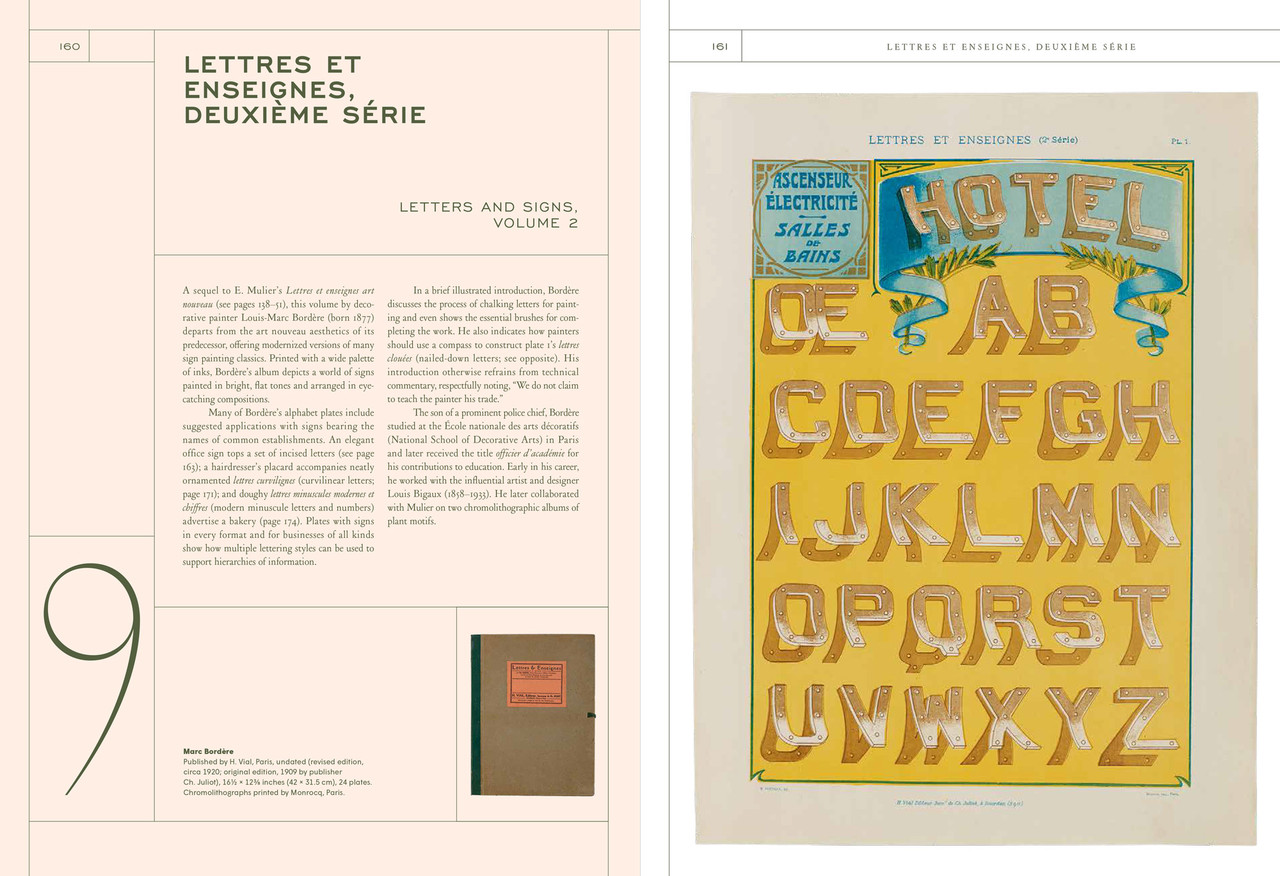
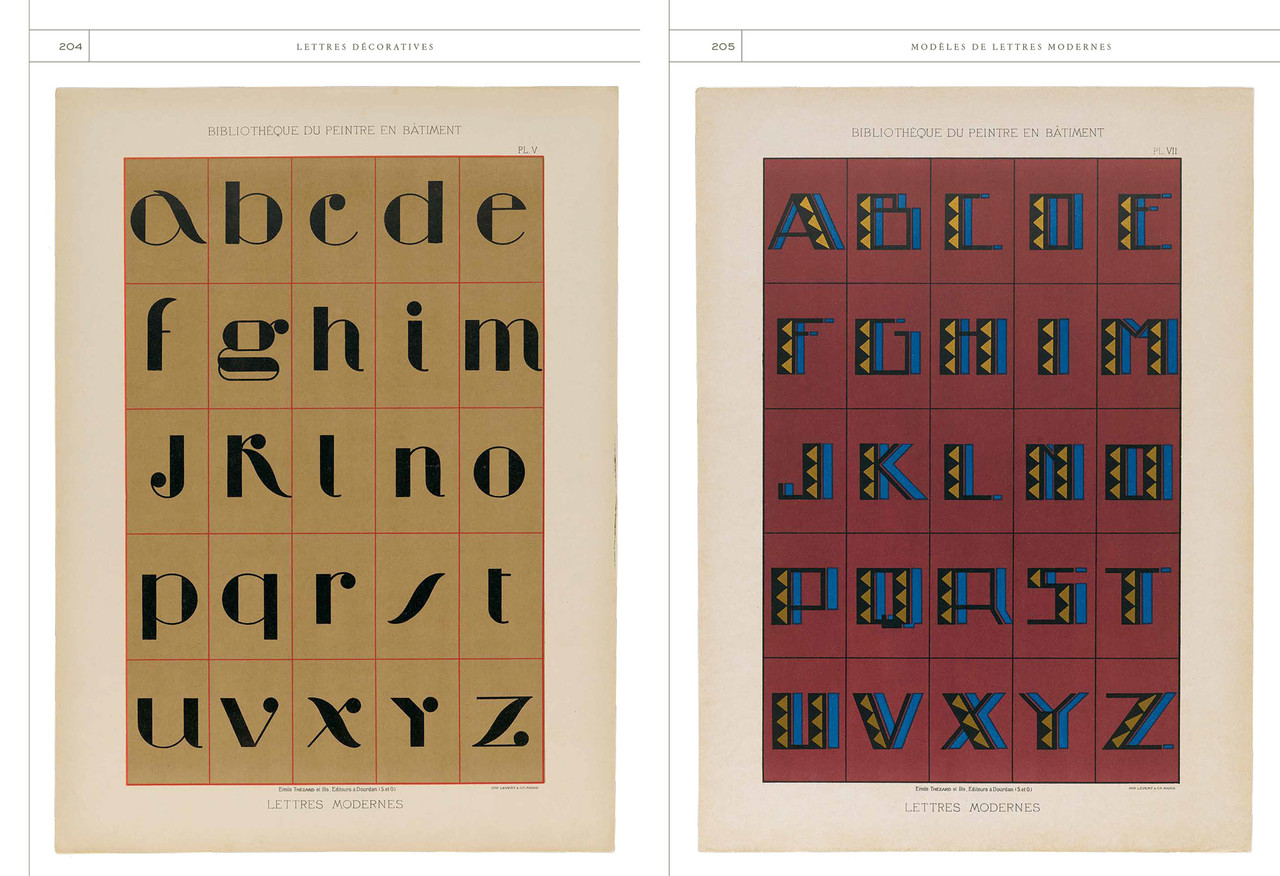
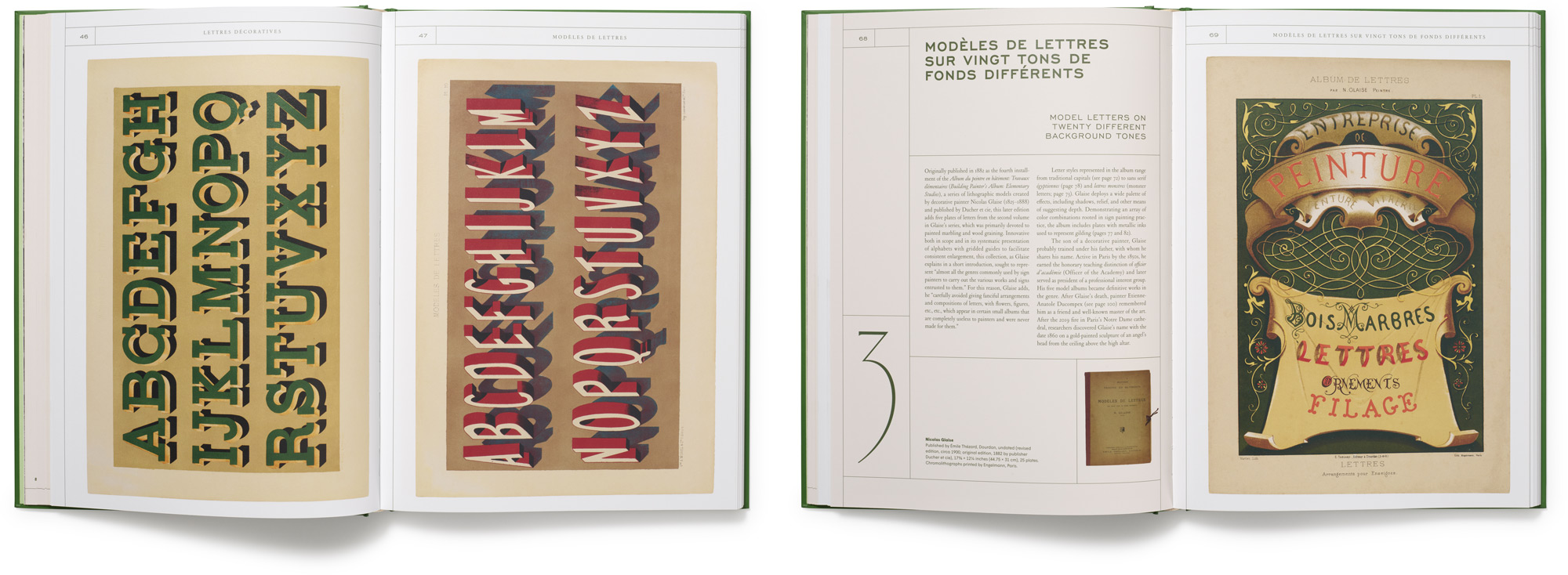
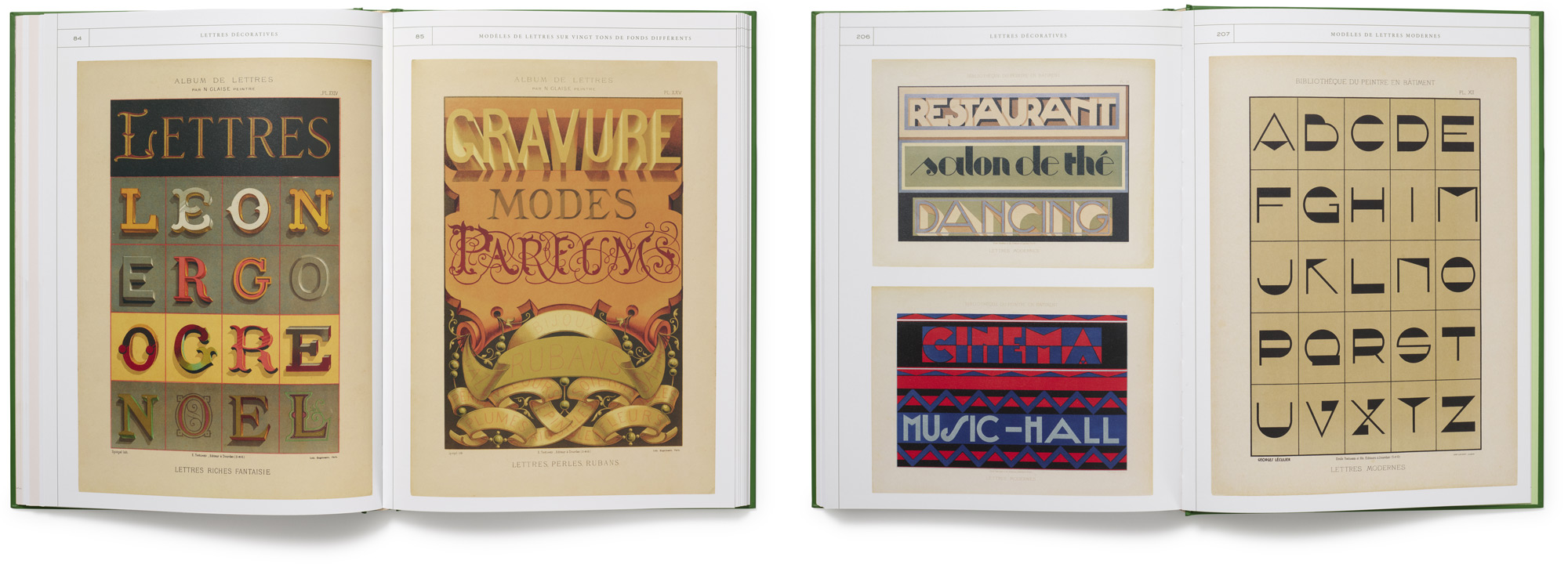
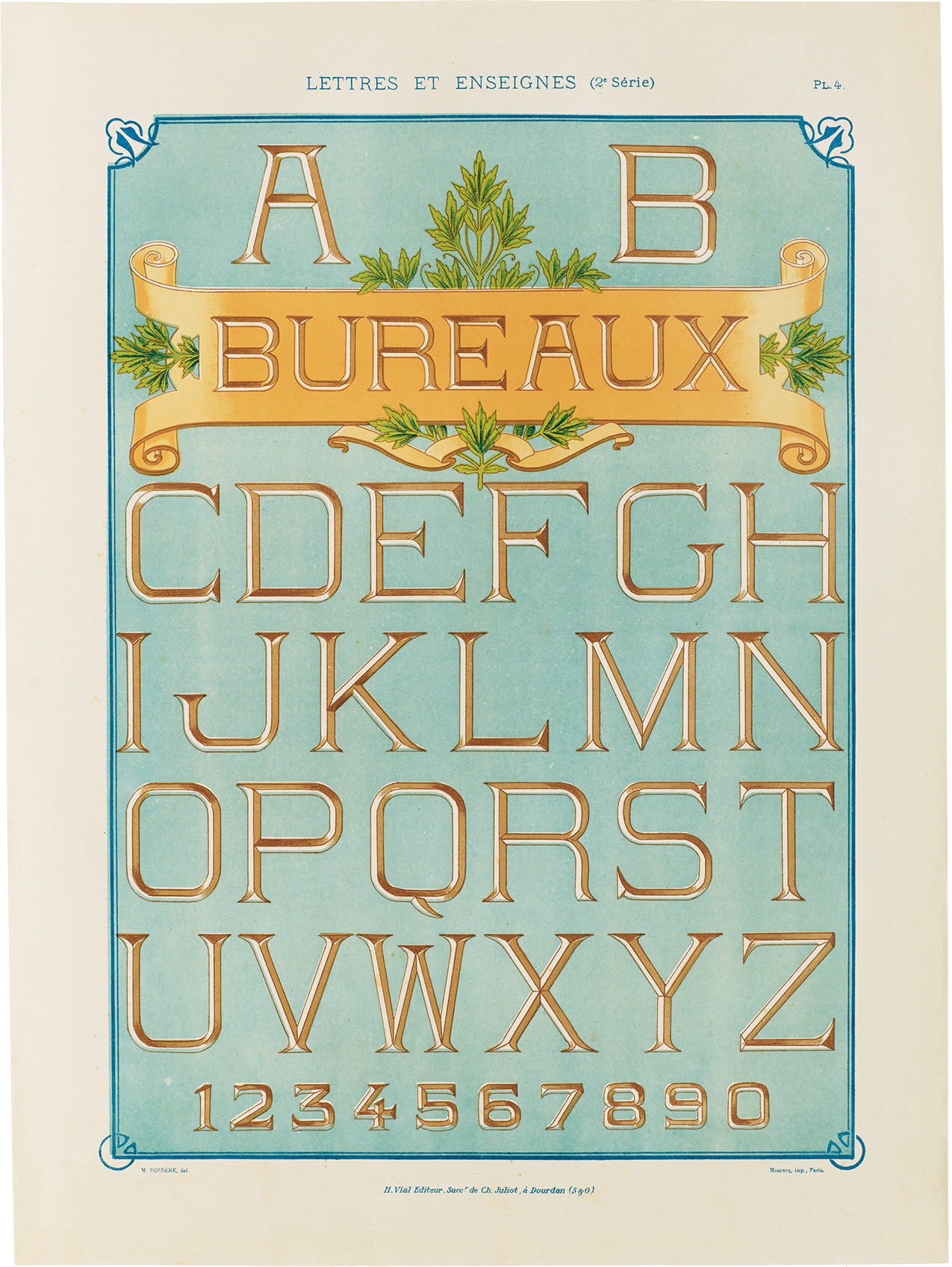
A kaleidoscopic survey of letterforms from nineteenth- and twentieth-century France, Lettres Décoratives includes more than 150 plates from grand lithographic albums printed at the height of the sign painter’s craft. Originally made to demonstrate styles and inspire artists to decorate cities with increasingly colorful, adventurous, and refined forms, these portfolios preserve a rich visual history of urban alphabets.
An introduction by practitioner Morgane Côme explores the story of French sign painting and its historic albums, while additional texts shed light on their contents. Featuring dozens of monumental alphabets, Lettres Décoratives is a portal to the past, as well as a valuable resource for contemporary sign painters and designers today.
Morgane Côme (introduction) is a sign painter based in Quimperlé, France. After working as a graphic designer in London for five years, she discovered sign painting during a trip to New York City. Workshops with Pierre Tardif and Mike Meyer in 2014 sparked her passion for the craft, which she has pursued ever since. In 2016, she returned to France and established her studio in Brittany, where she creates bespoke hand-painted lettering for independent businesses. Passionate about preserving the craft’s heritage, she shares her knowledge through workshops and archival research. Côme is currently writing a book on the history and practice of sign painting in France, to be published by L’Échappée in the fall of 2026.
Violaine & Jérémy (design) is a French design studio founded by creative partners Violaine Orsoni and Jérémy Schneider with the help of designers Coline Vignaud, Liana Korios, and Julie Senne. The studio is known for work in the realms of hospitality, fashion, editorial design, typography, branding, culture, and interior design. They have crafted visual identities for the Venice Simplon-Orient-Express train, Hôtel Plaza Athénée, and Hôtel Martinez in Cannes. They also provided artistic direction for the Théâtre des Bouffes du Nord and Théâtre de l’Athénée in Paris. In 2019, they established the independent type foundry VJ Type.
From the Introduction
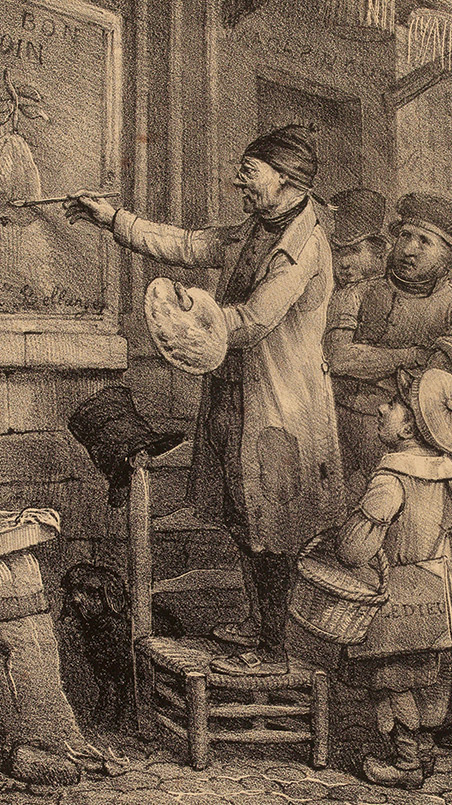
Hippolyte Bellangé, C’est beau les arts, 1823.
Decorative painting, encompassing all manner of figurative art, faux finishes, trompe-l’œil, and ornamentation used to adorn walls in castles, churches, museums, and luxurious interiors, had established long-standing traditions by this time. But only in the nineteenth century did painters make alphabets into primary decorative elements. Indeed even then, many of the letters painted on signboards, canvas awnings, and vehicles remained simple in form, following inherited models of Roman square capitals and modern variants used in printing type. The new demand for eye-catching signs called for significant change in perspective.
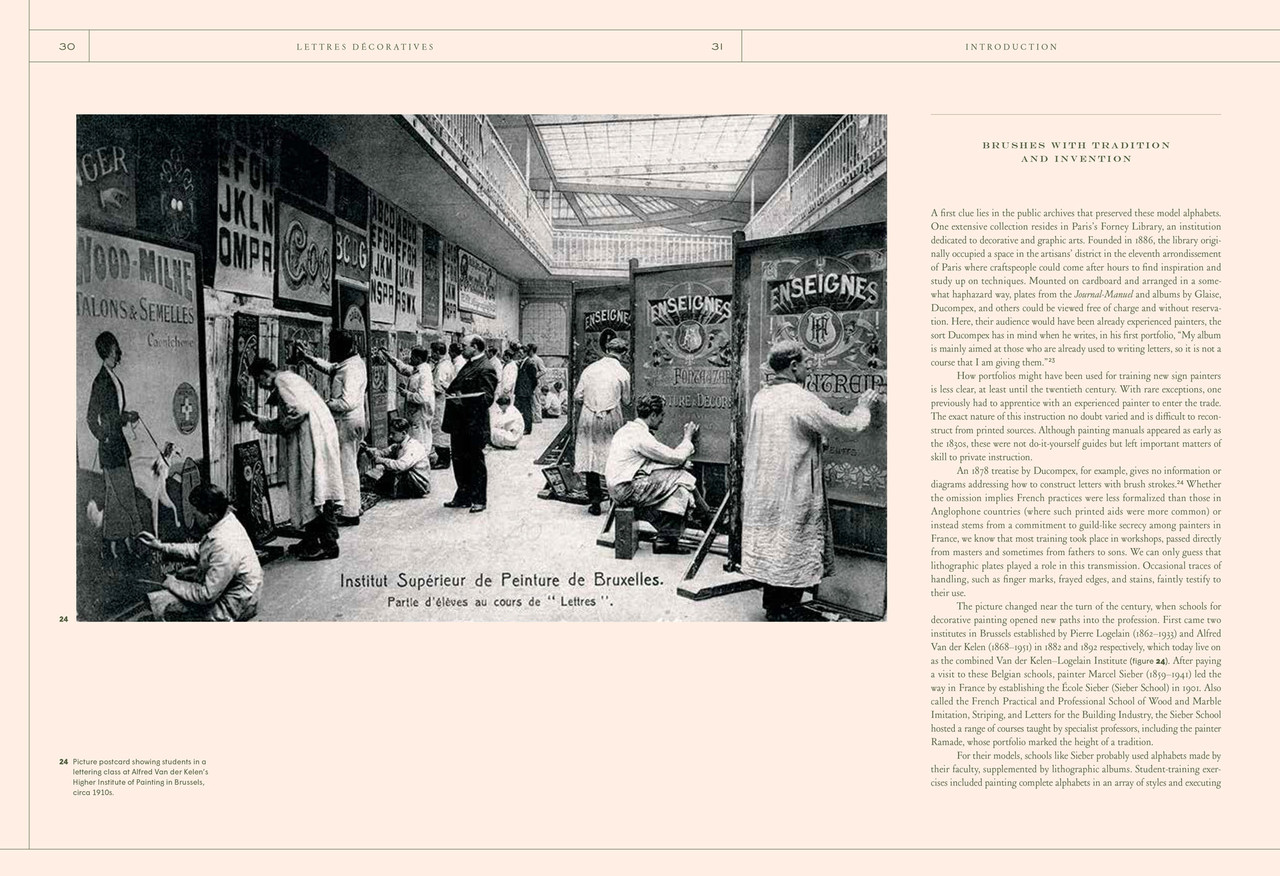
The trade that answered this call was probably improvised at first. As one commentator has reckoned, “Before the spread of formal training, [the sign painting trade] did not exist, for the simple reason that there was no real need for it. . . . Born only in the nineteenth century, it developed alongside education in the field.” Building on lessons from other modes of decorative painting, gleaning insights that passed from city to city, and drawing on the latest trends in typography, lithography, and other graphic media, the sign painter (le peintre d’enseignes or le peintre en lettres) seems to have invented the profession on the job.
J. J. Grandville, poster advertising Scènes de la vie privée et publique des animaux, 1840.
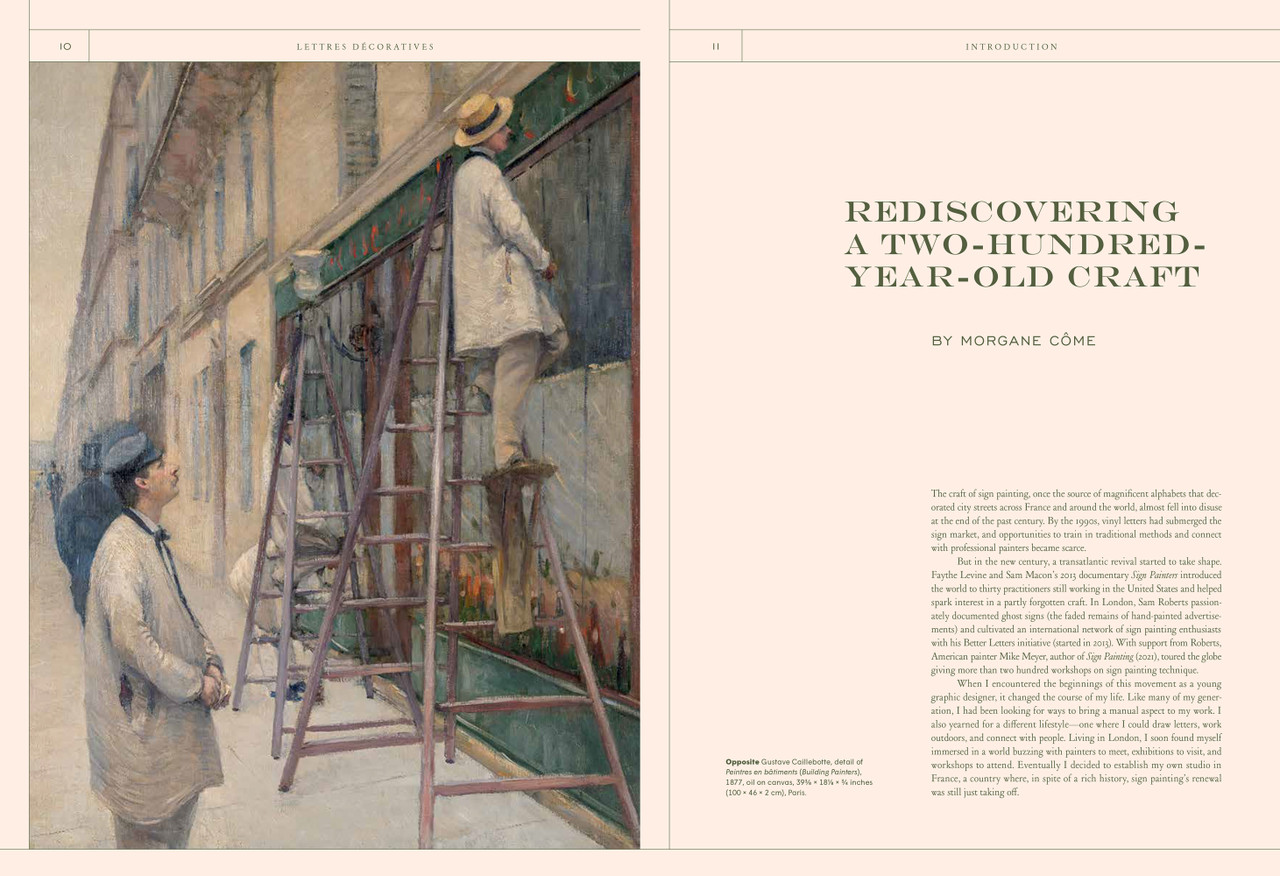
As a new figure about town, the sign painter quickly aroused the curiosity of French intellectuals and artists. Also called a building painter (peintre en bâtiment), by the 1820s he features in illustrated prints by the likes of Nicolas-Toussaint Charlet and Hippolyte Bellangé, appearing as an independent worker of somewhat precarious standing. Parisian heralds of urban life celebrated his new creations, while detractors recoiled from his sometimes eccentric letterforms. An 1840 poster for an illustrated book by caricaturist J. J. Grandville humorously depicts the public’s fascination with the sign painter’s work. In 1858 author Victor Fournel mused admiringly, “When traveling by omnibus or hansom cab, we have nothing better to do than look at the signs, a pastime full of charm for one who knows how to discover the beautiful side of things.”
Praise
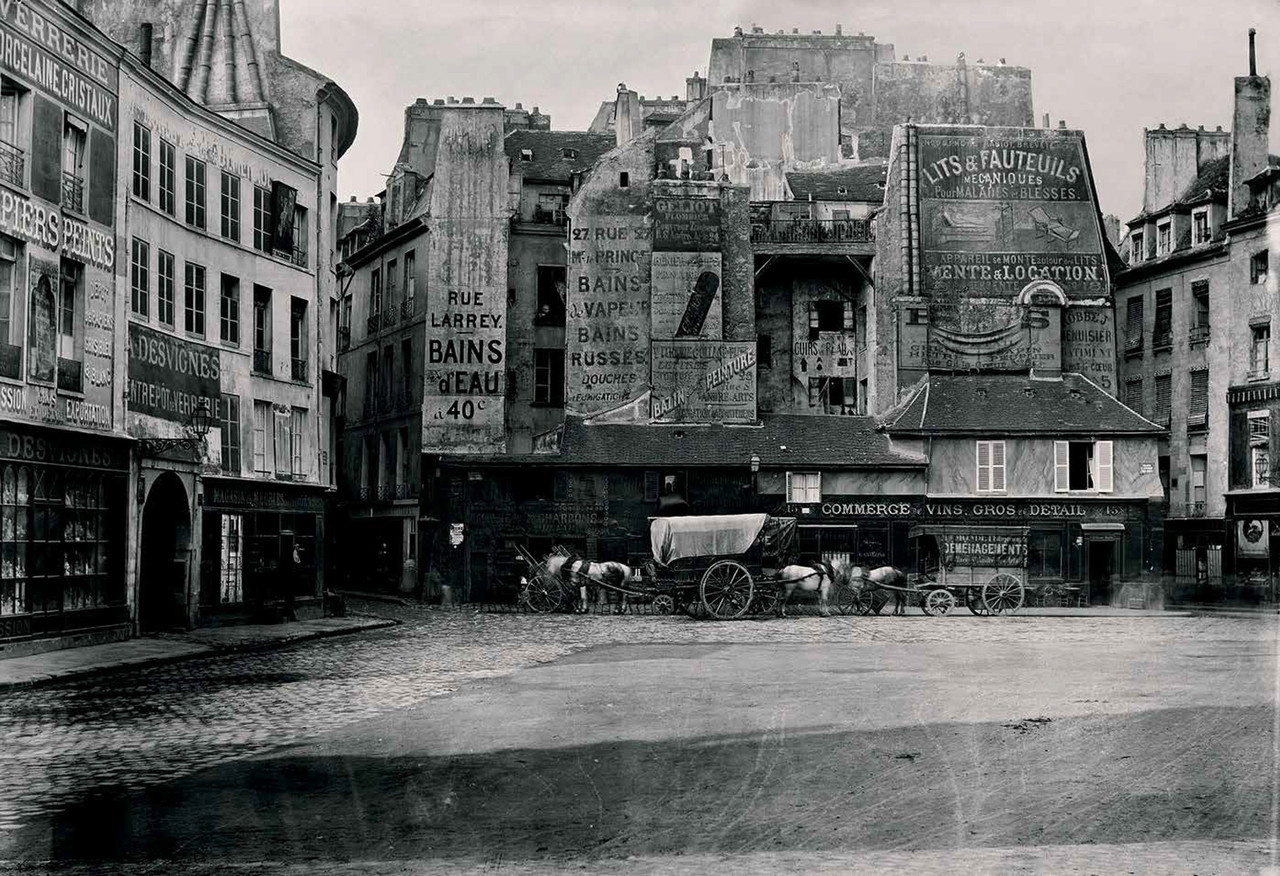
“Lettres Décoratives isn’t a book—it’s a time machine. The historic photos of 19th-century Paris in this new, lavishly illustrated publication transport readers to the heyday of French sign painting, while Morgane Côme narrates the history and growing fascination with the craft at the turn of the century. But the real treat is the dozens of dazzling, full-color alphabets reproduced from period lithographic albums. And like any good time machine, Lettres Décoratives doesn’t just take us back; it reminds us that skillfully crafted lettering is timeless.” — Ken Barber, author of Lettering Manual and type director and studio letterer at House Industries
“This thoroughly researched and beautifully designed book fills a gap that has existed for far too long in the history of commercial visual arts. Morgane Côme’s introduction insightfully describes and contextualizes the emergence and evolution of a profession currently undergoing a renaissance. A welcome cornerstone!” — Sébastien Morlighem, teacher, researcher and coordinator of the postgraduate course EsadType at the École supérieure d’art et de design d’Amiens
“There’s something for everyone in this book. For the historically inclined among us, Lettres Décoratives offers well-researched texts on the origin and evolution of French sign painting, starting in the 19th century. Or, if you’re anything like me, you can flip through the pictures—signs and extracts from journal manuals of letters from the late 19th to the mid-20th century—which are so beautiful, I wanted to cry. See, for instance, an illustration for a coiffeur (hairdresser) with a pair of silver scissors threaded through; Art Nouveau letters whose organic curves make them look almost alive; or an intricate sign advertising other signs, which looks like a carnival stand, complete with a red curtain. A world that cares this much about such ordinary aesthetics feels almost unimaginable now.” – Hyperallergic
“The plates . . . in this rich volume look veritably illuminated. . . . These portfolios established a baseline for alphabets that became popular (and populist) all over France, especially in Paris, where display types filled up the landscape with typographic cacophonies. Whether Lettres Décoratives revives the ‘painted alphabet’ for the digital age, it is too early to tell. But resurrecting these impressive documents provides an invaluable resource for any typographer who is considering returning to the decorative magic of the past.” — Steven Heller, PRINT
“For typography nerds, this is a treasure trove in the truest sense. The reproductions are meticulous and generously scaled, allowing readers to pore over inline shading, eccentric spurs, and the strange logic of ornamental ligatures. Surprising signboards and wildly experimental alphabets reveal a period intoxicated by display—when a café awning or corner tabac was seen as an opportunity to test the outer limits of legibility and artistic flair. . . . Morgane Côme provides essential historical context, [and] the book’s elegant design, courtesy of French studio Violaine & Jérémy, honors the ambition of the original portfolios while reframing sign painting as not merely a quaint relic of a bygone era, but a vital current running through today’s visual culture.” — Creative Review
“Lettres Décoratives is a monumental publication in every sense of the word. . . . An extended, and accessible, essay by French sign painter Morgane Côme [is] a fascinating read and perhaps the first time that such a detailed account of France’s sign painting story has been made widely available. . . . I was not prepared for being quite as awestruck as I was when I received my copy.” — Sam Roberts, BLAG
“A vibrant resurrection of a lost urban vernacular. . . . Before the standardization of digital type, sign painting was a playground of technical virtuosity. . . . Spanning the transformative century between the 1830s and the 1930s, the volume serves as a definitive survey of the chromolithographic albums that once guided the hands of France’s master artisans.” — Typeroom
“Classical forms sit next to expressive art nouveau curves and the structured geometry of art deco. Some feel familiar. Others push into more eccentric territory, with dimensional treatments and ornamental flourishes that border on the surreal. It’s a reminder that sign painting has always been a space for experimentation. . . . For designers, lettering artists, and anyone interested in the history of visual communication, Lettres Décoratives works both as a reference and a source of inspiration. It doesn’t try to reinterpret the past. It simply presents it, clearly and generously.” — Abuzeedo
“A must-have for any type fiend.” — Charlotte Beach, PRINT
“Beginning with a fascinating introduction by contemporary French sign painter Morgane Côme, this sizable publication features a colorful array of alphabets and letterforms from hand-painted signs in France during the nineteenth and early twentieth centuries. . . . Stunning.” — Eye
“A superb compilation of plates drawn from major lithographic albums printed at the height of sign painting [and] beautifully introduced by an essay from Morgane Côme, a young French sign painter who puts her heart into sharing the history of her craft.” — Jack Usine, letter designer, typographer, and editor of Jules Vernacular
“Lettres Décoratives completely exceeded my expectations. A great big hardback with over 150 full-color plates within. . . . The printing and color quality are great, [and] the book is made with attention to detail — even the spine is beautifully designed. . . . Highly recommended.” — Andrew Greaves, signwriter
“A celebration of fin de siècle sign painters’ vibrant letterforms . . . providing inspiration for styles and motifs that could be translated onto large billboards and small signage alike.” — Colossal
Pagethrough
Contents
Introduction
Rediscovering a Two-Hundred-Year-Old CraftMorgane Côme
Portfolio Selections
1875 Modèles de lettres: Extrait des vingt premières années du Journal-manuel de peintures Model Letters: Extracts from the First Twenty Years of the Journal-Manual of Painting Honoré Opin, Jean-Jacques Petit, and Georges-Adolphe Bisiaux (journal editors)
1882 Modèles de lettres, deuxième série: Extrait des deuxième et troisième séries du Journal-Manuel de peintures Model Letters, Volume 2: Extracts from the Second and Third Series of the Journal-Manual of Painting Pierre Chabat (journal editor)
1882 Modèles de lettres sur vingt tons de fonds différents Model Letters on Twenty Different Background Tones Nicolas Glaise
1891 Nouveaux modèles de lettres New Model Letters Adolphe Botzum
1895 Modèles de lettres pour peintre en bâtiment: Fantaisie et perspective Model Letters for Building Painters: Fancy and Perspective Etienne-Anatole Ducompex
1903 Nouvel album de lettres peintes New Album of Painted Letters Paul Fleury
1903 Lettres et enseignes art nouveau Art Nouveau Letters and Signs E. Mulier
1907 Décorations peintes pour devantures et intérieurs de magasins Painted Decorations for Shop Fronts and Interiors Henry Guédy (editor)
1909 Lettres et enseignes, 2e série Letters and Signs, Volume 2 Marc Bordère
circa 1910s Nouveau recueil pratique de lettres modernes à l’usage des peintres New Practical Collection of Modern Letters for Painters Louis Ramade
circa 1910s Nouveau recueil pratique d’enseignes décoratives à l’usage des peintres New Practical Collection of Decorative Signs for Painters Louis Ramade
circa 1932 Modèles de lettres modernes Models of Modern Letters Georges Léculier
Index Image Credits, Copyright, and Sources About the Contributors Acknowledgments